



Home » Achieving more: Redefining success in pharmacy

Community pharmacy has always occupied an interesting space, straddling the worlds of both healthcare and business. As a business, success in community pharmacy has been measured by dispensing output and numbers, by turnover and margins. How many prescriptions were dispensed? How many items did we do? Were our targets achieved? Was the workload managed safely and efficiently? These measures matter, of course. Accuracy, productivity and patient safety are fundamental to good pharmacy practice.
However, in today’s increasingly demanding pharmacy environment a more human centric and sustainable approach to how we view our output is required. With increasing reports of chronic stress, burnout, frustration, and lack of meaning, it’s time we begin to ask different questions about what a successful day, week, month, year, or career in pharmacy looks like.
With the evolution of our role, pharmacists are now expected to be clinicians, problem solvers, leaders and, increasingly, a source of support and reassurance for patients navigating complex health challenges. Yet, despite making meaningful contributions every day, many pharmacists finish their day feeling as though they haven’t done enough. The problem is not necessarily the workload. Often, it is the measurement and definition of success itself.
As pharmacists, we are trained to value efficiency. We learn to prioritise accuracy, manage competing demands and maintain high professional standards, often under significant pressure. While these qualities are essential, they can sometimes lead us down the ‘productivity trap’.
When success and accomplishment become tied exclusively to outputs and targets, there is little room to acknowledge effort, learning, growth or the positive impact we have on others. The result is that even on our most productive days, we can still feel as though we are falling short.
I’m sure many pharmacists will resonate with this experience. You’ve had a busy day dealing with multiple medication issues, supporting an anxious patient starting treatment, assisting colleagues through challenging situations and preventing potentially serious errors. Yet, when you pull down the shutter at the end of the day, you feel a sense of relief rather than fulfilment.
Achievement is recognised as one of the six key drivers of wellbeing but is not simply about achieving outcomes, targets or goals.
Instead, it involves:
This distinction is important. Traditional measures of success tend to focus on external validation. Achievement, by contrast, is also an internal experience. It is the feeling that your efforts matter, that you are making progress and that your work has purpose.
When pharmacists broaden their definition of achievement, they create opportunities to experience greater satisfaction. In a profession where the demands are often endless, this shift is not simply beneficial, but essential.
If you were asked to describe a successful day in the pharmacy, your first response might be something like:
There is no denying the fact that these are all worthwhile achievements. However, what if success also included:
These moments won’t appear on performance dashboards, yet they often represent some of the most meaningful and fulfilling aspects of our work. Pharmacy, at its best, is not simply about dispensing medicines, but ultimately is about people. The human interactions we have everyday matter enormously, even if they cannot easily be measured.
Many goals in pharmacy are outcome based. While outcomes are important, they are not always fully within our control. Process goals shift attention towards actions and behaviours and create opportunities for success regardless of circumstances. Instead of the focus being on clearing the entire backlog today, we could also ensure that every patient interaction receives our full attention.
One of the simplest wellbeing practices is also one of the most effective. At the end of each day, identify three things that went well. They do not need to be dramatic achievements. Maybe you sorted a prescribing issue, managed a challenging conversation, or received a compliment from a customer. Small wins accumulated over time create momentum, confidence and a stronger sense of achievement.
Community pharmacy is absolutely a team endeavour. Creating opportunities to acknowledge the contributions of colleagues can have a powerful effect on morale and engagement. A simple conversation about what went well can help teams shift their focus from problems to progress. Recognition costs nothing, but its impact can be significant.
Some of the most important outcomes of pharmacy practice are invisible. The patient who finally understands their medication. The person reassured during a health scare. The family member grateful for your guidance. These moments matter, and taking time to reflect on the difference you make can provide a powerful reminder of why your work is important.
Research consistently demonstrates that people experience greater engagement, motivation and wellbeing when they use their strengths regularly. Whether your strengths include kindness, curiosity, leadership, or humour, using them at work helps create a deeper sense of achievement. Success feels more meaningful when it reflects who you are, not just what you achieve.
Many pharmacists are high achievers, and this drive serves the profession well, but can sometimes come at a cost. Perfectionism often convinces us that success only counts when everything goes according to plan. Yet, pharmacy is a human profession delivered by human beings in an imperfect world. When pharmacists learn to recognise effort, progress, growth and impact alongside traditional measures of performance, something important happens. Work becomes more sustainable and meaningful, resilience grows, and wellbeing improves.
Because true accomplishment in pharmacy is not just about the numbers. It is about doing what matters, recognising the value you bring, and allowing yourself to acknowledge that the work you do every day genuinely makes a difference.
Séamus Ruane
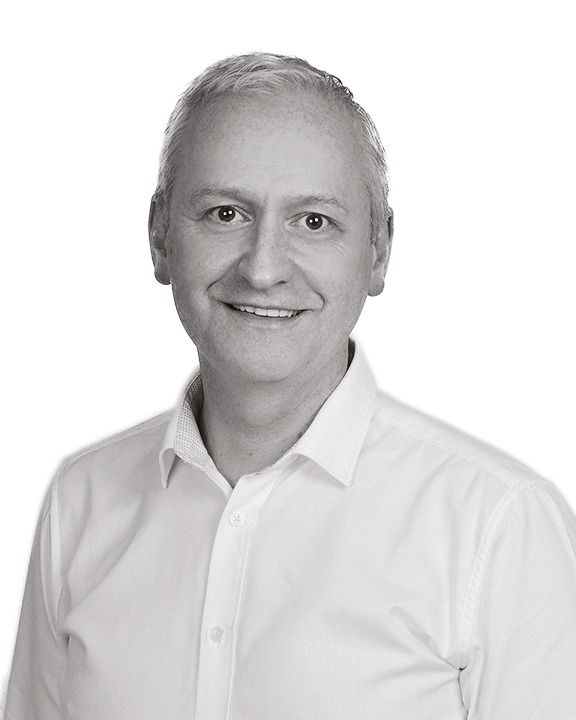
Community Pharmacist and Positive Psychology Practitioner
Highlighted Articles