


Home » Young pharmacists: Their journey so far and the future of the profession — Part 3
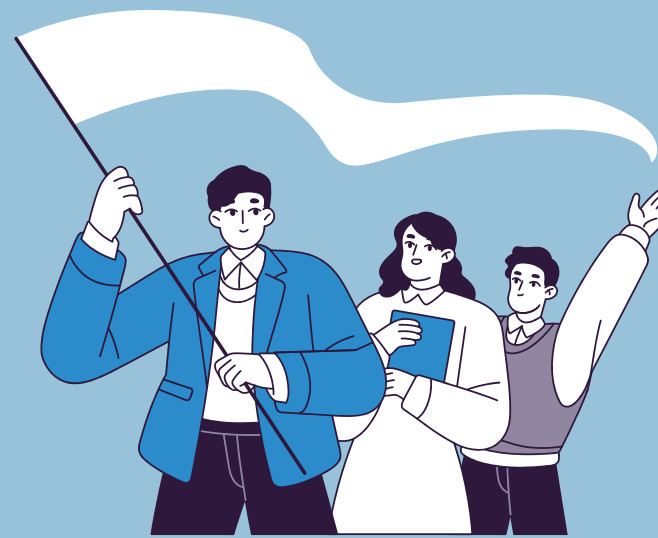
The last three years have brought much change to community pharmacy with the promise of much more to come. This series on young pharmacists has reflected the changes students and those newly qualified are facing and provides their insights on the challenges they anticipate and what has drawn them to the profession. Parts one and two of this series ran in the September and October issues of the IPU Review, and in this final part, three current students share their thoughts.
Name: Yasmin Aminou
College: Trinity College Dublin, 5th year
What influenced you to choose a career/degree in pharmacy?
From a young age I have always wanted to work in the healthcare space. I had a clear personal goal of providing healthcare in a way that never lets people feel like a burden. Combined with this was my love for chemistry. It was my favourite subject in the Leaving Cert and I had a brilliant teacher. At one point I considered becoming a chemistry teacher myself! Pharmacy allowed me to combine chemistry and healthcare into one profession, which I love.
What were your favourite/most memorable subjects, or parts of your pharmacy degree?
Pharmacognosy holds a special place in my heart. Learning about medicinal products that could be found in the back garden, fascinated me. I always like to think back to the era of apothecaries and traditional medicines used by previous generations and how we progress this knowledge today. I was lucky enough to do my thesis in this area working with bioactive compounds in olive oil, not to mention that I got to do the research in the South of France which was such an enriching experience. Pharmacology, albeit a mighty subject study-wise, has also been one of my favourite aspects of pharmacy. It satisfies my curiosity around what actually happens in the body when you take a medicine. I still remember learning about paracetamol overdose for the first time, and that was the first time in the course that I felt like I could apply my knowledge to a real-life scenario from start to finish.
Do you anticipate any challenges moving from your undergrad degree to working as a fully qualified and registered pharmacist, and how would you manage these?
I think keeping on top of all of the regulatory changes as they happen will be something I have to get used to, but IPU membership will certainly help a lot. I have heard many-a-story from pharmacy graduates about the disorientation of going from being a student one day, to MPSI the next. I look forward to solidifying my knowledge so I can work with confidence, not just for an exam or an assessment, but for real patients.
What elements of your role do you most enjoy?
I love the opportunity that pharmacy students are given. There are so many ways to get involved in the pharmacy space both nationally and internationally. Pharmacy is changing at a rapid pace and to be at the beginning of a lot of these advancements is exciting. The support for pharmacy students is also encouraging. Pharmacists are forthcoming with help and advice, even more so when you mention that you’re a student. I’ll definitely miss the student discounts and the free IPU membership though.
What elements of your job do you consider less rewarding?
I have worked in a pharmacy for the past few years. I find anything that constrains patient care less rewarding. This includes things like medicine shortages and finding ways around them, or administrative tasks that take away from time communicating with patients and providing services. At the same time, they act as a reminder of the balance between healthcare and running a business with legal and ethical implications. Luckily, I think we are moving away from some of the burdens, but I think we still have a way to go. A pharmacist told me recently about how years ago they had to print an extra label for each dispensed medication and stick it to a piece of paper to make up the daily audit so I always thank my lucky stars that we are where we are now and are continuing to move in the right direction.
What are your thoughts on the Community Pharmacy Agreement, and are there any elements that you think will be of particular benefit to you?
The Community Pharmacy Agreement motivates me. The opportunity for expanded services is great and allows for pharmacists to take a bigger step forward in patient care. I found great satisfaction in the option of providing the Common Conditions Service. Having to refer patients to the GP to prescribe for common ailments wasn’t a great feeling, and I am all for emphasising the clinical qualifications of the pharmacist. It gives a general sense of recognition for the profession that was not as pronounced before. For many, it gives a long-awaited opportunity to explore other layers of the profession. For others, they feel they don’t need the extra workload. I think both views are valid, but what is important is now we will have the opportunity.
Name: Emer Rudden
College: Trinity College Dublin and IPU 4th year APPEL student
What influenced you to choose a career/degree in pharmacy
I was first drawn to healthcare after seeing the impact healthcare professionals can have on a patient, sometimes through just one interaction. Through relatives working in the sector and my own experiences as a patient, I was inspired by the commitment shown to improving patient outcomes. Pharmacy then stood out because of my growing interest in chemistry. It was a subject I initially found difficult, but once I worked through the concepts, I developed a real appreciation for how science can be used to solve problems and contribute to advances in medicine. Pharmacy ultimately felt like the ideal link between pharmaceutical science and patient care.
What were your favourite/most memorable subjects, or parts of your pharmacy degree?
I have enjoyed many aspects of my degree, especially opportunities to see pharmacy in practice. My second-year placement in Tallaght University Hospital was especially memorable, as I shadowed clinical pharmacists on ward rounds, observed patient interactions and gained a clearer understanding of the pharmacist’s role in acute care. My current placement with the IPU has also been extremely insightful and has allowed me to see the work that happens behind the scenes to support and advance the profession. Academically, I have enjoyed pharmacology and pharmacochemistry and how these topics underpin the development of medicines and translate into treatment. The friendships I have made have also been a memorable part of university.
Do you anticipate any challenges moving from your undergrad degree to working as a fully qualified and registered pharmacist, and how would you manage these?
Moving from college into placement was a significant adjustment, especially going from a structured routine of lectures, study and exams into a professional, office-based environment. Although I had experience in community pharmacy, my placement with the IPU exposed me to a different side of the profession, with a greater focus on policy, professional development and wider pharmacy affairs. I learned to become more aware of current affairs rather than focusing only on lectures and exams. At times, unfamiliar terminology and topics tested my confidence, but I took this as an opportunity to ask questions, broaden my knowledge and become more comfortable contributing in a professional setting.
What elements of your role do you most enjoy?
What I enjoy most about my role is the variety of work and the opportunity to contribute across different teams. Coming from a sporting background, I have enjoyed seeing the IPU’s work with Sport Ireland and their Anti-Doping Unit. This highlighted the versatility of the profession to me. I have also supported projects around the Common Conditions Service (CCS) which will be relevant to my future practice. Through attending various meetings, I have learned how representation, negotiation and collaboration can lead to real developments within pharmacy.
What elements of your job do you consider less rewarding?
From my placement experience, I have learned that progress at a professional and policy level can sometimes feel slower than in a clinical setting, as meaningful change requires extensive consultation and collaboration between multiple stakeholders. While this may be less immediately rewarding, it has given me a greater appreciation of the work required behind the scenes to achieve lasting change in pharmacy.
What are your thoughts on the Community Pharmacy Agreement, and are there any elements that you think will be of particular benefit to you?
I think the Community Pharmacy Agreement is an exciting development for students approaching qualification. Expanded services such as the CCS, Contraception Prescribing Services and public health initiatives give pharmacists greater scope to use their clinical knowledge and spend more time with patients. At the same time, these changes will bring challenges, especially in busy pharmacies where pharmacists may already be managing a heavy workload and administrative demands. As a future pharmacist, I feel both excited and slightly apprehensive about these changes, but I am looking forward to entering a profession that is becoming more clinically focused and increasingly centred on direct patient care.
Name: Aoife Byrne
College: RCSI Dublin and IPU 4th year APPEL student
What influenced you to choose a career/degree in pharmacy
I have always been drawn to a career in healthcare and really enjoyed science subjects throughout school. My first experience of pharmacy was during Transition Year, when I completed work experience in a community pharmacy. I continued working as an OTC assistant, and the pharmacist I worked with was very encouraging about pursuing pharmacy as a career, which played a big part in my decision. Through working in community pharmacy, I saw first-hand how accessible pharmacists are to patients and the level of trust patients place in them. I also really liked the relationships pharmacists build with their patients and how well they can get to know them over time. Although community pharmacy was what initially drew me to the profession, I have since realised how varied a career in pharmacy can be, with so many different opportunities and career paths available after qualifying.
What were your favourite/most memorable subjects, or parts of your pharmacy degree?
One of the things I have enjoyed most about the pharmacy degree is the variety of subjects we cover and how your knowledge gradually builds throughout the course. As you progress through each year, you start to connect the dots between different subjects and understand the reasoning behind things you may have previously seen in practice.
Some of my favourite modules have been Sex, Gender and Health and Cancer Care. I particularly enjoyed learning the science and clinical reasoning behind medicines, treatments and decisions that I had encountered while working in pharmacy. It is really rewarding when something you have seen in practice suddenly makes sense because of what you have learned in college. I have also really enjoyed the practical elements of the degree, particularly our person-centred care labs. They give us the opportunity to bring together knowledge from different areas of the course and apply it to realistic patient scenarios. For me, seeing that knowledge come together and being able to apply it in practice has been one of the most enjoyable parts of studying pharmacy.
Do you anticipate any challenges moving from your undergrad degree to working as a fully qualified and registered pharmacist, and how would you manage these?
I have recently started my fourth-year APPEL placement with the IPU in a Role Emerging Practice setting. This has been quite a change from the community pharmacy environment I was used to. Community pharmacy is very much focused on the present and responding to the needs of the patient in front of you. At the IPU, I have had to adjust to a very different way of working. Many of the projects are longer term and involve research, planning and collaboration, alongside attending meetings, committees and conferences. Working in an office environment has also been a new experience for me.
Initially, it took some adjustment to move from the fast-paced, immediate nature of community pharmacy to looking at pharmacy from a broader and more long-term perspective. However, it has been really interesting to see the work that goes on behind the scenes to support community pharmacists and to understand how decisions, policies and projects can ultimately influence pharmacy practice and patient care on a much wider scale.
It has also shown me how varied the role of a pharmacist can be beyond the traditional settings I was familiar with.
What elements of your role do you most enjoy?
One of the things I enjoy most about my role at the IPU is the variety. Even in the first few weeks of my placement, I have had the opportunity to get involved in a range of different projects and activities, and no two days have been quite the same. I am currently working within the Professional Services department, where I have been involved in work relating to the Autumn/Winter Vaccination Programme, BowelScreen, MediBack and Medicines Optimisation. Many of these are new or developing aspects of community pharmacy under the Community Pharmacy Agreement. Having previously worked in community pharmacy, it has been really interesting to see these services from a different perspective and understand what goes on behind the scenes to support their development and introduction into practice. I have also had the opportunity to sit in on committee meetings where upcoming changes and developments in community pharmacy are discussed, including how new services will work in practice. I have really enjoyed getting an insight into the discussions, planning and decision-making happening in the background at a time when there is so much change within community pharmacy. Alongside this, I have had opportunities to attend conferences and engage with people working across different areas of pharmacy and healthcare. I think it is this mix of project work, meetings and new experiences, as well as getting to see community pharmacy from a completely different perspective, that I have enjoyed most about the placement so far.
What elements of your job do you consider less rewarding?
I would not say that there are any elements of the role that I consider to be of no use, as even the less exciting tasks contribute to the overall work of the organisation. Some of the more administrative or repetitive tasks can naturally feel less rewarding than being directly involved in a project or seeing a piece of work come together. Coming from community pharmacy, I was also used to having a lot of direct interaction with patients, so working in an office environment can sometimes feel quite removed from that. However, the placement has helped me to appreciate that a lot of the work which ultimately supports pharmacists and patients happens behind the scenes. Even if you do not see the impact immediately, it does not mean that the work is any less important.
What are your thoughts on the Community Pharmacy Agreement, and are there any elements that you think will be of particular benefit to you?
I think the Community Pharmacy Agreement is a really positive development, particularly from the perspective of a pharmacy student. It is exciting to see what is coming down the line for community pharmacy and the direction in which the profession is moving. The expansion of pharmacists’ roles and the introduction of new services mean that students like me will be entering a profession with increasing opportunities to use our clinical knowledge and become more involved in patient care. I think this will allow us to make better use of the knowledge and skills we develop throughout the degree when we eventually qualify. Being on placement with the IPU at the moment has also given me a unique opportunity to see some of these changes developing in real time. Through my work in Professional Services and attending committee meetings, I am getting an insight into the planning and discussions taking place behind the scenes around new and expanding pharmacy services. It has made the Community Pharmacy Agreement feel much more relevant to me, as many of the changes being worked on now will directly shape the profession I will soon be entering. Overall, I think it is a very exciting time to be a pharmacy student. The profession is continuing to evolve beyond the traditional dispensing role, and I am looking forward to seeing how these changes develop and being able to contribute to them as a pharmacist in the future.
The IPU Review would like to thank all contributors to our young pharmacists series of articles for their time, and for their openness in their reflections on their profession. We wish them every success in their future careers. To read the previous articles in this series go to ipu.ie/ipu-review > Previous articles.
Yasmin Aminou

5th year Pharmacy Student, Trinity College Dublin
Highlighted Articles