


Home » Raising awareness of elder abuse: How pharmacists can help
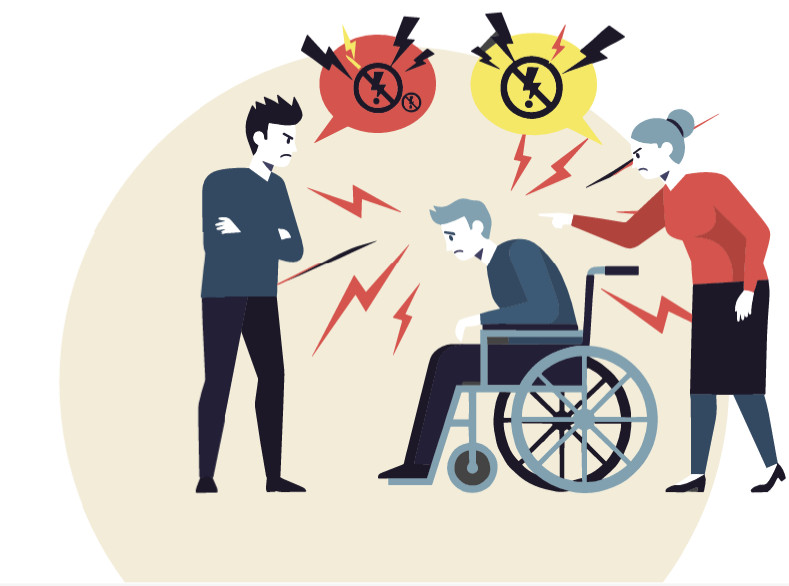
The World Health Organisation defines elder abuse specifically as “a single or repeated act or lack of appropriate action, occurring within any relationship in which there is an expectation of trust, that causes harm or distress to an older person”.
It may surprise you to know that a person over the age of 65 years is considered an ‘older adult’. There are approximately 830 million people aged 65 and older worldwide, accounting for around 10.4 per cent of the total global population. Here in Ireland, our total older adult cohort is estimated to be approximately 806,300, around 15 per cent of our total national population. The phrase ‘Ireland is a rapidly ageing population’ rings true in this regard, as this population group has grown faster than any other age cohort in recent years, with an increase in our older adult population of around 40 per cent in the past decade. The Central Statistics Office (CSO) projects that by 2057 the older adult cohort of Ireland will have risen to over 2.3 million people and make up 35 per cent of Ireland’s population. In the coming years, older adults will represent a large proportion of the population cared for by pharmacists and other health and social care professionals.
“One in six older adults over the age of 60 experience some form of abuse in their lifetime” (World Health Organisation).
In the Irish context, HSE National Safeguarding Office data from 2023 outlines that a total of 5,582 concerns of elder abuse were reported to HSE Adult Safeguarding and Protection Teams. There is a consistent year-on-year increase. What is of particular interest is that of those 5,582, 31 per cent of reports were in relation to older adults aged 80 years of age and older (a 32 per cent increase on the previous year). This includes reports from community settings and from nursing home/residential care facilities for older adults. It is believed that elder abuse remains significantly under-reported. In fact, the World Health Organisation (WHO) estimate that only approximately 4 per cent of elder abuse is actually reported.
Without awareness of the issue, we cannot recognise the indicators of elder abuse and when an older adult may need help, support or safeguarding. Adult safeguarding means putting measures in place to promote and protect an older person’s human rights, health, and wellbeing, and empowering them to protect themselves. In this regard, we all have a responsibility when it comes to safeguarding older adults at risk of abuse. We are also currently right in the middle of the United Nations Decade of Healthy Ageing (2021-2030) with two of the five key priorities focusing on combating ageism and raising better awareness of elder abuse.
The WHO (2022) defines elder abuse specifically as “a single or repeated act or lack of appropriate action, occurring within any relationship in which there is an expectation of trust, that causes harm or distress to an older person”. Similarly, in Ireland, the recently published National Framework for Adult Safeguarding in the Health & Social Care Sector (2025) defines adult abuse broadly as; “A single or repeated act, or omission, which violates a person’s human rights or causes harm or distress to a person. Abuse may take a variety of forms”.
When thinking of an adult that may be at risk of abuse, we particularly like the descriptor offered in the recent Data Protection Commission Adult Safeguarding Toolkit (2025) where an adult at risk is described as; “A person who, by reason of their physical or mental condition or other particular personal characteristics or family or life circumstance (whether permanent or otherwise), is in a vulnerable situation and/or at risk of harm and needs support to protect themselves from harm at a particular time”.
Any person at a particular time in their lives may find themselves in a vulnerable situation and more at risk of harm irrespective of age, and this is important to bear in mind to avoid stereotyping or ageism.
However, we know from research and from practice experience that certain factors can make an older adult more susceptible to abuse. Power and control dynamics can take unique forms due to compounding factors such as care needs or ageism, including:
Contact your local HSE Safeguarding and Protection Team at hse.ie/safeguarding.
There are HSE Adult Safeguarding and Protection Teams across Ireland who work with individuals, families, service providers and community organisations to protect and support older adults who may be experiencing abuse. These teams have five core functions including to:
Contact details for the local HSE Adult Safeguarding and Protection Team in your region can be found at hse.ie/safeguarding.
The three key things that pharmacists can do to help tackle elder abuse are to know how to recognise, respond and report concerns.
Safeguarding older adults is not just about responding to abuse; it relies heavily on prevention and proactive strategies. Preventative actions, which can reduce abuse from occurring, include practical help, care and supports that are targeted and designed to promote the wellbeing of adults. A key component of prevention is empowering, educating and supporting adults to understand and exercise their autonomy and decision-making rights.
The Assisted Decision Making (Capacity) Act 2015, as amended, was commended in 2023 and represents a long-awaited overhaul of the law relating to persons who require or may require assistance in exercising their decision-making capacity, whether immediately or in the future. The Act recognises that all adults have a right to play an active role in decisions that affect them, and it introduces the presumption of capacity, which is a fundamental human rights principle. This law now mandates that it is presumed every person has the capacity to make decisions about their life, health, and property unless proven otherwise
The Act introduces three types of support arrangements for people who face challenges when making certain decisions. It also provides for people who wish to plan for a time in the future when they might lose capacity, by way of an Advance Healthcare Directive or an Enduring Power of Attorney.
Older adults with reduced capacity face a significantly elevated risk of elder abuse. Planning for the future empowers people to remain in control of their care and safeguards their autonomy. It ensures medical, financial and personal wishes are legally respected if a person loses capacity to make decisions and prevents family disputes and eases the burden on loved ones. More information about these formal support arrangements and planning ahead supports can be found at decisionsupportservice.ie.
Assisted decision-making and safeguarding are deeply connected concepts and are designed to protect older adults from abuse while maximising their independence and control over their lives.
Elder abuse thrives in the darkness. Let this be a call to action for all healthcare professionals who are in regular contact with our older adult population in Ireland to know how to recognise, respond, and report elder abuse. Raising awareness casts a light on elder abuse and lets older people in Ireland know that help is available if they are experiencing abuse or harm.

Rob O’Connor, Enda Walsh and Kristen Murphy, Principal Social Workers, Adult Safeguarding and Protection Teams, HSE Dublin and South East Region
Highlighted Articles