



Home » Preparing for the cough, cold and flu season in community pharmacy

After reading this article pharmacists should be able to:
2026 has seen a landmark change in community pharmacy with the long-anticipated introduction of the Common Conditions Service and the ability of pharmacists to issue prescriptions in certain circumstances. While some aspects of the job have evolved, one aspect that is bound to remain the same is the impending arrival of the winter cough, cold and flu season.
In 2025 the flu season arrived earlier than in previous years, peaking before Christmas when early January has previously been the norm. Furthermore, last year saw a greater number of flu cases being recorded at the peak of the outbreak compared with recent years. These facts highlight the importance of preparedness in community pharmacies and ensuring that pharmacists and staff members are suitably trained coming into the winter months.
A recent survey commissioned by the IPU found that 97% of people trust the advice they receive from pharmacists with 88% finding pharmacists very accessible. The latter being of particular relevance given the current shortage of GPs. Community pharmacies are ubiquitous and will be the first port of call for many looking for advice and treatment for cough, colds and flu between now and next spring. Pharmacists are in a unique position to provide diagnosis, education and advice on management and prevention of these conditions. To do this, it is essential that pharmacy teams are well trained in effective consultation and communication both to provide the best outcome for the patient as well as maintaining this high level of trust.
Prevention, as they say, is better than cure, and effective infection control will help to reduce the total number of cases of viral illness. For those who present to pharmacy with symptoms of viral infection, compassionate education on self-care and infection control as well as advice on symptom management can help to limit the spread of a virus to others.
As one of the most accessible healthcare professionals, pharmacists can play a key role in encouraging individuals to make informed decisions to manage their own health, including counselling on minor ailments, advising on use of over-the-counter and prescription medication and encouraging patients to visit a doctor where appropriate. Pharmacists can educate patients about seasonal illnesses, disease control and symptom management.
Infection control involves interrupting the spread of avoidable infections. By providing education and information in infection control patients will be less likely to spread viral infections to vulnerable individuals. Effective infection control will also help pharmacy and other healthcare staff to avoid infection and illness.
Viral infection is spread through multiple routes including airborne transmission, droplets and both direct and indirect contact between individuals. As such the following are key factors in infection control:
When undertaking patient consultation, it is essential that all staff are aware of when referral may be necessary. Referral for cough, cold and flu symptoms can mean referral from OTC staff to pharmacist or from pharmacist to GP or hospital.
OTC to pharmacist referral:
Pharmacist to GP referral:
Once any red-flag symptoms have been ruled out it will be possible to recommend some treatment options to the patient.
Viral infections are generally self-limiting, and symptoms will resolve after a few days of rest, hydration and over the counter remedies. Most sufferers tend to present to a pharmacy shortly after the onset of symptoms.
Many patients will present requesting a specific product that they are familiar with or have been recommended by a friend or family member. Clever questioning, however, may identify more suitable alternatives for their specific circumstances. Numerous products contain combinations of ingredients, while they offer convenience, single-ingredient preparations may be more appropriate. They allow for greater dosing flexibility, reduced risk of accidental duplication as well as avoidance of sub-therapeutic doses of certain ingredients, which may be present in some combination products.
There can be an expectation that antibiotics are necessary for the treatment of cough, colds and flu. Pharmacists should be on hand to educate patients about how to differentiate between bacterial and viral infections, when antibiotics may and may not be appropriate and the risks of antimicrobial resistance. Referral may be necessary for antivirals to treat influenza or covid infections in certain at-risk groups, however.
As mentioned, over-the-counter treatment generally entails symptomatic relief while the immune system goes to work. Categories of treatment include the following:
Use of these products can also aid with the restoration of normal function but also aids in the prevention of secondary (bacterial) infection.
The commonly available medications in over-the-counter remedies are summarised in Table 1 below.
In addition to these medications, it is also important that pharmacy staff are comfortable to recommend non-pharmaceutical interventions. These can be of great use as complimentary therapies as well as in groups where medications may not be suitable or appropriate (pregnancy, breastfeeding, children, polypharmacy etc.).
Such treatments include:
| Drug | Indications | Dose | Combination products | Counselling points, additional considerations |
| Paracetamol | · Fever · Muscle pain · Headache · Sinus pain · Sore throat | Up to 1g four times daily | Available individually or present in many combination products | · Avoid duplication with other paracetamol products · Dose may need to be reduced in liver disease · No evidence to suggest that paracetamol prevents febrile seizure · Safe in pregnancy and breastfeeding |
| Ibuprofen | · Fever · Muscle pain · Headache · Sinus pain · Sore throat | Up to 400mg three times daily | Present in some cold & flu remedies alongside pseudoephedrine | · Take with food to minimise gastrointestinal side-effects · Dehydration increases risk of adverse effects in children and the elderly. · Avoid if any history of stomach ulcers. · Caution necessary in asthma |
| Aspirin | · Fever · Muscle pain · Headache · Sinus pain · Sore throat | Up to 500mg every 4-6 hours (max 4 doses in 24 hours) | Available individually only | · Aspirin should not be used in children under 16 due to the risk of Reye’s syndrome · Care taken in individuals taking prescription aspirin or other blood thinners · Avoid if any history of stomach ulcers · Take with food to minimise gastrointestinal side-effects |
| Pseudoephedrine | Nasal congestion | 60mg up to four times daily | Available individually or combined with paracetamol/ ibuprofen | · Avoid oral decongestants before bed due to potential sleep disturbances · Avoid in hypertension as they can elevate blood pressure |
| Dextromethorphan | Dry cough | Up to 15mg four times daily | Individually as 7.5mg/5ml syrup. Also available as an ingredient in combination products. | · Risk of serotonin syndrome when combined with other serotonergic medication |
| Codeine | · Dry cough · Pain | Cough: up to 22.5mg four times daily. | Codeine linctus available over the counter for dry cough. Codeine for pain relief as part of combination product with paracetamol/ ibuprofen | · Over the counter codeine sales as per PSI regulations, not intended for first line treatment. · Combination pain relief products not recommended for cold & flu symptoms |
| Phenylephrine | Nasal congestion | As per product directions | Only available as ingredient in oral cold and flu preparations | · Avoid oral decongestants before bed due to potential sleep disturbances · Avoid in hypertension as they can elevate blood pressure |
| Oxymetazoline | Nasal congestion | 1-2 sprays every 6-8 hours | single ingredient nasal spray | · Prolonged use (greater than seven days) should be avoided due to the risk of rebound congestion |
| Xylometazoline | Nasal congestion | 1 spray into each nostril up to three times daily | Single ingredient nasal spray | · Prolonged use (greater than seven days) should be avoided due to the risk of rebound congestion |
| Guaifenesin | Chesty/productive cough | 200mg (two 5ml spoons) up to four times daily | · Liquid cough bottle combined with levomenthol · Combined with paracetamol | · Guaifenesin also exhibits some antitussive action via inhibition of cough reflex sensitivity |
| Carbocisteine | Chesty cough | up to 750mg (15mls) three times daily | Single ingredient syrup | · Ensure adequate hydration to reduce mucous viscosity · Do not take too close to bed due to increased coughing to expel mucous · Care required in patients with history pf peptic ulcers |
| Saline nasal rinses | Nasal congestion | As required | · Pre-prepared aerosol container · Sachets for self-preparation | · Safe to use in pregnancy/ breastfeeding · No risk of drug interactions |
| · Thyme · Marshmallow root syrup | Cough & Catarrh | As per product directions | Combined in syrup | · May be given neat or dissolved in water/ warm tea |
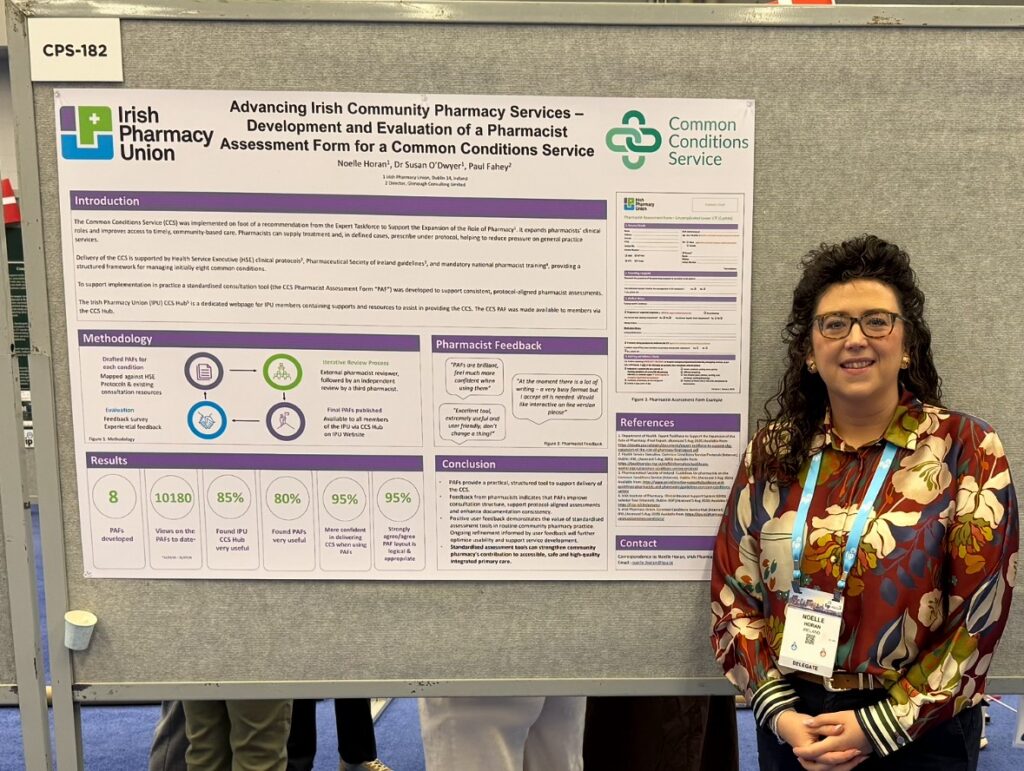
While the conditions covered under the Common Conditions Service are not linked directly to cold, flu and other viruses circulating over the winter months, many are more common in those who are run down. As such, there may be a greater number of CCS consultations over the winter months. Furthermore, the initial over the counter consultation process may lead to the identification of conditions which may be treated under CCS.
The community pharmacy team are recognised as accessible and trusted by the public and have a vital role in advising on and promoting safe self-care practices for all patients. As we move into the cough, cold and flu season community pharmacists and their teams should review all information and training in their practice to ensure that pharmacists and their teams are suitably trained coming into the winter months.

Highlighted Articles