



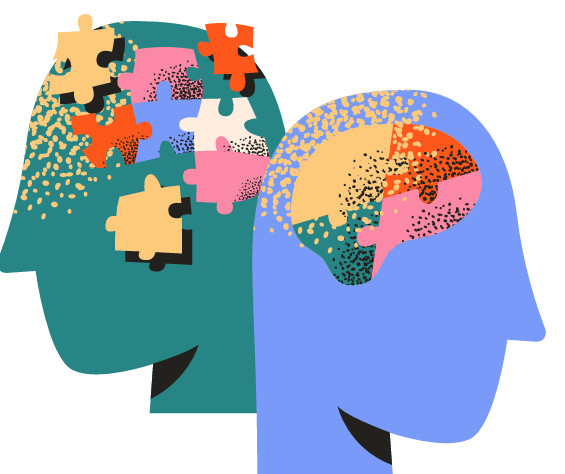
Brain health is increasingly recognised as a cornerstone of healthy ageing. It encompasses the ability to think, learn, remember, communicate, make decisions and maintain emotional wellbeing throughout life. Just as we can protect other areas of our health, we can take steps to keep our brains healthy, and reduce our risk or slow down the progression of dementia.
Globally, dementia affects millions of people and its impact continues to grow as populations age. In Ireland, the number of people living with dementia is set to reach over 150,000 by 2045.
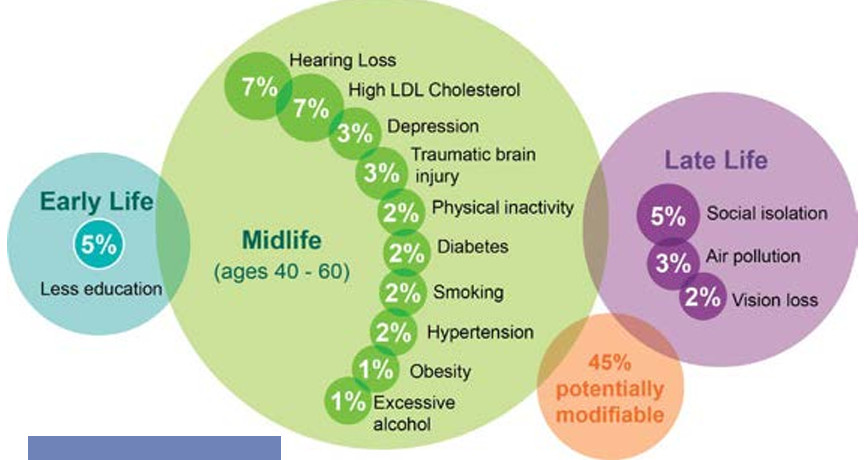
Recent research offers a hopeful message. The 2024 update of the Lancet Commission on Dementia Prevention, Intervention and Care concluded that nearly half of dementia cases worldwide could potentially be prevented or delayed by addressing 14 modifiable risk factors across the life course. While not all cases of dementia can be prevented, there is much that can be done to support brain health throughout life.
Being in the heart of the community, community pharmacists are uniquely positioned to engage with customers on the topic of brain health. Pharmacists often have long-standing relationships with patients and families and are well placed to advise on risk factors, notice early signs of cognitive change and encourage help-seeking, education/advice where appropriate:
Dementia is not caused by a single factor. Instead, the risk of developing dementia accumulates over time through a combination of genetic, environmental, social and lifestyle influences. While age remains the strongest risk factor, the Lancet Commission’s findings reinforce that numerous influences on brain health can be modified.
A central finding of the Commission is that dementia risk is cumulative. Exposure to multiple risk factors over time compounds our vulnerability to later-life cognitive decline, while if we take action at earlier stages of the life course we can significantly impact the overall risk. The Commission emphasises that no single intervention is sufficient; rather, meaningful risk reduction requires coordinated action across multiple domains and sustained engagement over time.
• Early Life – Building Cognitive Reserve: Early cognitive development and educational attainment are foundational determinants of brain health. Cognitive reserve developed in childhood and early adulthood provides resilience against later neurological pathology;
• Midlife – Reducing Cumulative Neurological and Vascular Risk: Midlife (approx. age 40-65) is the most influential period for dementia prevention. Many modifiable risk factors consolidate during this phase, creating cumulative neurological stress; and
• Later Life – Maintaining Cognitive, Sensory and Social Health: Later-life interventions remain valuable in delaying decline, preserving independence and improving quality of life.
Importantly, many of the modifiable risk factors identified by the Commission are already addressed, at least in part, through existing public health, primary care and community-based interventions within the Irish health system. The challenge for health systems is therefore not a lack of evidence, but the need to align, prioritise and scale action under a coherent, life-course-focused brain health framework that maximises collective impact.
Community pharmacists have a valuable role to play in this effort. As highly accessible healthcare professionals, you are uniquely positioned to support health promotion, encourage positive behaviour change and help people manage conditions linked to dementia risk. Through your everyday interactions, you can help raise awareness, support informed choices and contribute to a broader culture of healthy ageing.
Brain health is an essential part of healthy ageing, and the evidence is clear that addressing modifiable risk factors throughout life can help reduce the risk of dementia. While no single action can eliminate dementia risk, small steps taken consistently over time can make a meaningful difference. As pharmacists in the community, you are ideally placed to support these efforts through everyday conversations with patients, promoting healthy lifestyle choices and helping people assertively manage chronic conditions linked to dementia risk (such as hypertension, dyslipidaemia, obesity, type 2 diabetes). By making brain health part of your routine healthcare discussions, you can contribute to healthier ageing and better outcomes for individuals, families and communities.
 Dementia awareness training: For dementia awareness training please contact understandtogether@hse.ie.