



Home » The impact of arthritis
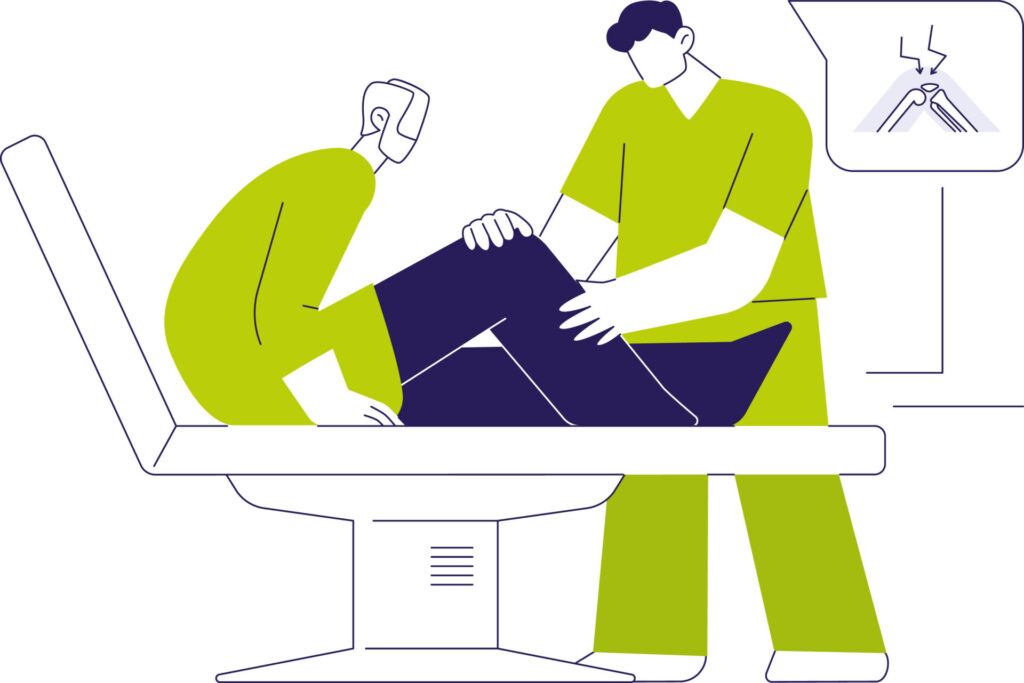
Arthritis does not discriminate. It is a disease that can affect anyone from the newborn right through to the elderly. Arthritis takes away people’s dignity by preventing them from doing basic, everyday tasks. Not only that, but this is an invisible condition, with many believing that it’s only down to ‘a few aches and pains’.
Not surprisingly, therefore, arthritis can cause serious levels of depression and social isolation. According to research conducted by Arthritis Ireland, three in 10 people with arthritis say they are sad and depressed, and four in 10 admit that they sometimes find it hard to keep going and that their arthritis is a constant worry for them. Arthritis accounts for one in three GP visits and, as part of the musculoskeletal group of diseases (MSDs), costs the exchequer more than €700 million every year in lost working hours and forced retirements.
As a patient organisation, Arthritis Ireland hopes to empower people to be an active participant in decisions around their own treatment and to engage in self-management – this is all helped with improved health literacy. We want people to make informed choices in partnership with pharmacists and other health professionals in order to improve their overall health, quality of life and health outcomes. Our goals, as an organisation, is that Arthritis Ireland is the go-to destination for information on pain management, diet, exercise and all aspects of self-management.
One of the challenges facing someone newly diagnosed is knowing which information or advice to trust, particularly in this information age where scary headlines often receive more clicks. As part of this, we are continually aware of the many persisting myths surrounding arthritis. Pharmacists have an important role to play in debunking these myths, offering a trusted source of health information. From medication management to lifestyle advice, pharmacists are uniquely positioned to support patients living with arthritis in practical, impactful ways.
One of the most prevalent myths that abound is that ‘there is nothing you can do’, particularly when it comes to osteoarthritis. This couldn’t be farther from the truth. Approximately 400,000 people in Ireland live with osteoarthritis (OA), and that figure is continually increasing. This is likely due to the fact that the prevalence of OA rises with age (and we know we have an increasingly ageing population), but also the fact that obesity is a risk factor for developing OA, particularly of the knees and hips, and we know that overweight and obesity is on the rise, affecting at least half of the population. In fact, according to the 2024 Healthy Ireland Survey, just over three in five men (63 per cent) reported overweight or obese weight measurements, while half (50 per cent) of all women reported the same. We know that losing weight and becoming more active can have a significant impact on pain levels and function. In fact, if a person can manage to lose around 10 pounds (or 4.5 kg), they will reduce their risk of osteoarthritis by as much as 50 per cent whilst also removing around forty pounds of pressure from their joints. Another common myth is that arthritis is just ‘an older person’s disease’. The truth is that about 165,000 (18 per cent) of people with arthritis in Ireland are under the age of 55. Arthritis affects more than 1,200 Irish children under the age of 16.
When it comes to inflammatory forms of arthritis, such as rheumatoid (RA), axial spondyloarthritis (ax SpA) and psoriatic arthritis (PsA), we know there has been good news in terms of biologic drugs targeted to small molecules and other therapies (such as JAKs) which, when given early, have the realistic aim of remission. These medications can have complex dosing schedules, and some have potentially serious side effects, so pharmacists have a crucial role to play in helping to educate patients on the particular drugs they are taking, ensuring adherence to the recommended strategies and giving advice on vaccinations, particularly for those who are immunosuppressed. Pharmacists also support patients in exploring non-pharmaceutical approaches to managing arthritis symptoms. The Arthritis Ireland website includes the six pillars of lifestyle medicine: exercise and movement; diet and nutrition; managing stress; relationships and connections; sleep and rest; and smoking and substance misuse.
Pharmacists and pharmacy staff can play a crucial role in supporting people with arthritis by signposting to Arthritis Ireland resources and courses.
We encourage people to advocate for themselves, and to ask important questions of their rheumatologist when drugs are being discussed, so that they are playing an active part of their treatment plan. We work with health professionals to develop booklets and online resources to help with this. An example of one of these is our most recent Drug Treatments and Arthritis booklet, which was reviewed thoroughly by a pharmacist. It details all the main drugs used to treat arthritis and includes a daily medications log. But it also offers a list of questions (with space to write answers in) regarding the goal of the medication, the expected benefits and other aspects. Additionally, we have other vital resources, including podcasts, webinars, patient interviews and a bi-monthly blog, all available on the arthritisireland.ie website.
Pharmacists are ideally positioned to signpost people to the range of supports and networks available through Arthritis Ireland. One of these supports is our self-management courses. The ‘Living Well with Arthritis’ (LWWA) course was launched in 2006 as our flagship programme. Offered as a six-week course, it was developed by Stanford University and continues to be an essential part of effective arthritis treatment. To date, almost 8,000 people have completed the course. The course covers every area of self-management including:
We have other courses, offered both in-person and online, that focus on pain management, mental health and also some adapted exercise classes. Simply direct any individual to the courses section of our website (arthritisireland.ie) to find out more or else you can refer them to us via the Steps Programme (see more below).
Previous participants on the LWWA course have reported that it helped decrease their pain, reduced their reliance on health professionals and medication, and improved their overall sense of well-being:
“I was into a depression before starting the first session. After the second session, I’d begun to understand that it’s possible to live a normal life managing my emotions, pain and fatigue doing exercises, making decisions, eating healthy food and more.” – Priscila, LWWA autumn 2023.
One significant service for anyone diagnosed with arthritis is our ‘Steps Programme’, which involves easy access to Arthritis Ireland’s suite of services and programmes through either referral by a healthcare professional, or by self-referral. This innovative programme helps patients understand their diagnosis, adjust their behaviour and lifestyle, and embrace supported self-management. The evidence shows that this referral model is far more successful than any passive model in providing a beneficial and supportive service, as patients adapt to their day-to-day challenges. This programme complements treatment plans by providing somewhere to signpost vulnerable and anxious patients.
The aim is that STEPS becomes part of the prescription. It involves a patient first agreeing for the pharmacist or other health professional to pass on their details by registering them online with Arthritis Ireland. Alternatively, the patient can self-refer themselves by completing the same form. Then, within 3-5 working days, a fully trained peer arranges a suitable call time with the individual. During this call, a screening is done (as well as space and time given to the individual to discuss any of their concerns). Then, based on this call, a personalised pack of information is posted out to the individual with information on their condition, self-management skills, exercise advice, entitlements, information on medication and more. They also receive a card on recognising and managing flares for inflammatory forms of arthritis and a card for all HCP contacts and medications and dosages. After just 8 weeks, a follow-up call and repeat screening is carried out.
All this support means that patients not only feel less alone on their arthritis journey, but health literacy among the public is improved, making them feel more empowered and much better positioned to make important decisions about their health, working alongside their healthcare team. Patients with any rheumatological condition can be referred onto the STEPS programme via a dedicated button on the arthritisireland.ie website. Patients who are not online can be reassured that, once registered, all contact is then carried out by telephone.
For more information about STEPS, please contact Peter Boyd on pboyd@arthritisireland.ie.
Please share the Arthritis Ireland helpline number 0818 252 846 with patients. This service is a confidential line for anyone looking for emotional support or any information relating to living with arthritis. The helpline is open Monday-Friday 10.00am to 4.00pm. More information is available at arthritisireland.ie.
Maebh Coyle

Health Information Officer, Arthritis Ireland
Highlighted Articles