


- About Us
- News & Publications
- IPU Jobs
- Practice & Support
-
- Safe Pharmacy
-
-
-
Safe Pharmacy | Get Help
Safe Place | Safe phone

-
-
- Professional Academy
- Membership
Home » Supporting self-care in cough, cold and flu
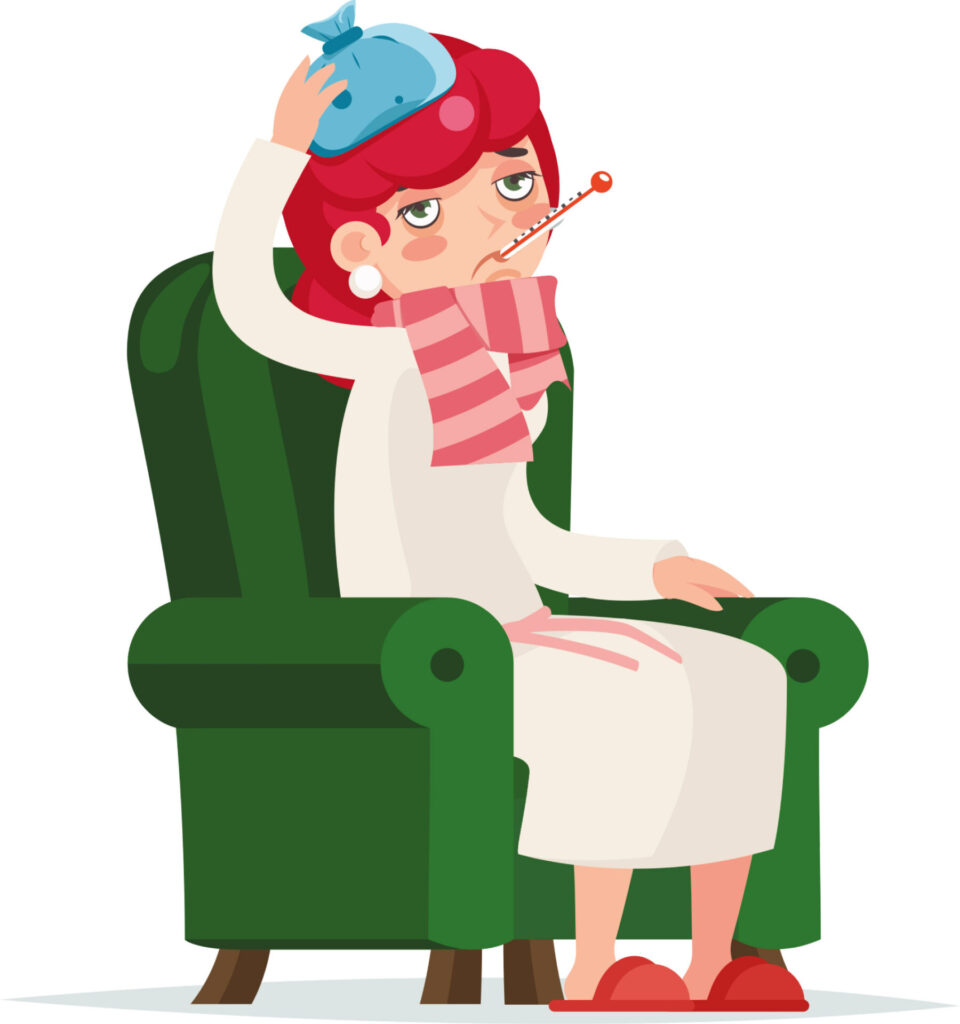
Patients see pharmacists more often than any other healthcare professional in Ireland, as more than 80 per cent of the population visit a community pharmacy at least once a month. Community pharmacies already play a vital role in Ireland’s healthcare system, with community pharmacists being one of the most trusted professions in Ireland at a trust level of 96 per cent. With an enhanced role and scope of practice on the horizon, this is a significant time for pharmacy in Ireland. In order to maintain this public trust, our focus is to ensure that our pharmacy teams are providing continued safe and effective patient–centred care at the heart of the community. This starts with the treatment of minor ailments including the common cold, cough and influenza (flu), the traditional season for which is fast approaching.
Promoting self-care
The World Health Organisation (WHO) defines self-care as “the ability of individuals, families and communities to promote health, prevent disease, maintain health, and to cope with illness and disability with or without the support of a healthcare provider”.
Patients can manage their own health by maintaining a healthy lifestyle, boosting their immune system to help prevent illness, using medications appropriately, and prioritising their mental wellbeing. Pharmacists and pharmacies play a key role in empowering patients to make informed health decisions. They can support self-care by providing accessible health advice, educating patients on the safe use of over-the-counter medicines, promoting vaccination, managing minor ailments, and offering services like medication reviews.
Vaccination
Community pharmacists are highly trusted professionals who pay a crucial role in educating the public on and implementing vaccination programmes including flu, COVID-19, and pneumococcal vaccines. By providing a vaccination service in our pharmacies we are reinforcing our roles as first-line, easily accessible primary healthcare professionals.
Here is some information you and your team can communicate to your patients about the benefits of vaccination:
Infection control
Measures should be taken to contain respiratory secretions for all individuals with signs and symptoms of a respiratory infection. The vast majority of adult patients are conscious of spreading their cough to others, with 80 per cent of the population recognising the need to cough into their elbow. Children are carriers of respiratory infections like influenza. It’s essential for the pharmacy team to assist parents in teaching their children the proper respiratory etiquette:
While these preventive measures seem to be part of general knowledge, the pharmacy team plays an important role in reminding patients of how adhering to these measures contributes to minimising the spread of infections.
Symptom assessment and referral
Research indicates that over-the-counter (OTC) advice from pharmacy staff and pharmacists is becoming increasingly important. By training your team to recognise the symptoms of conditions like coughs, colds, and the flu, they can provide initial care and, when necessary, refer patients to the pharmacist for further treatment. Educate your team on what constitutes a normal illness progression versus symptoms that suggest something more serious.
This can be achieved by undertaking the following:
Recognising symptoms: Train your team to differentiate between similar symptoms of various conditions (see Table 1). This comparison helps highlight the differences and similarities in symptoms, but testing is always advised to accurately diagnose the illness.
Table 1: A comparison of the signs and symptoms of the common cold, influenza and COVID-19
| Symptom | Common Cold | Influenza | COVID-19 |
| Duration of symptoms | 7- 10 days | 1 – 2 weeks | 7 – 14 days (mild) 3 – 6 week (severe) |
| Onset | Gradual | Sudden | Gradual or sudden |
| Fever | Rare | Common (high fever, 37.8 – 39°C) | Common (can be high, especially in severe cases) |
| Cough | Mild, usually dry | Dry or productive | Dry or productive |
| Sore throat | Common | Less common | Less common |
| Runny or stuffy nose | Common | Less common | Less common |
| Muscle or body aches | Mild | Common (can be severe) | Common (mild to moderate) |
| Fatigue | Mild to moderate | Common (can be severe) | Common (can last up to four weeks or more in severe cases) |
| Headache | Rare | Common | Common |
| Shortness of breath | Rare | Rare | Common (especially in severe cases) |
| Loss of taste or smell | Rare | Rare | Common (especially in early stages) |
| Sneezing | Common | Less common | Less common |
| Chest pain | Rare | Common (can be severe in some cases) | Common (especially in severe cases) |
Effective patient communication: Staff should reassure patients that the common cold is a self-limiting condition and that flu is a viral infection for which antibiotics are not indicated. They should clearly explain when self-care is appropriate and recommend suitable OTC treatments.
Team collaboration: Encourage teamwork and foster an open communication environment where staff can ask questions and seek advice from the pharmacist. This can help boost confidence in decision-making and ensure better patient care.
Managing coughs: A cough is defined as either acute; lasting three to four weeks, sub–acute; three to eight weeks or chronic; > eight weeks. Acute cough due to an upper respiratory infection (URTI) is one of the most common symptoms worldwide. Viruses — most commonly rhinovirus — are responsible for the majority of acute bronchitis cases in otherwise healthy adults and children, and antibiotics are generally not indicated.
Train staff to identify whether a cough is dry or productive before recommending OTC treatments. Cough suppressants (for example, dextromethorphan) may help with dry coughs, while expectorants (for example, guaifenesin) can aid mucus clearance in productive coughs. Natural remedies with thyme and marshmallow root are traditionally used for all cough types and are generally well-tolerated, though scientific evidence remains limited. These are suitable for adults and children over one year, depending on the formulation.
Managing the common cold and flu: Your team helps manage colds and flu by identifying symptoms and advising on OTC treatments like decongestants (for example, pseudoephedrine, phenylephrine), antihistamines (for example, cetirizine), pain relievers (for example, paracetamol, ibuprofen), lozenges, and saline nasal sprays, as well as non-pharmacological options such as rest and hydration.
Referral training: Ensure your team understands when it’s essential to escalate cases of common cold, cough or flu to the pharmacist or refer the patient to a doctor. Foster a culture where staff feel supported in seeking professional advice instead of having all the answers. Staff should be trained to recognise when self-care is appropriate and when escalation is necessary to ensure safe and effective patient support.
Patients should be referred to the pharmacist for further assessment if they:
If flu is suspected in a high-risk patient with moderate to severe symptoms starting within 48 hours, refer them to a GP for further assessment for antiviral treatment (for example, oseltamivir). This treatment is most effective when administered within 48 hours of symptom onset, reducing the duration and severity of illness. It should be used cautiously in patients with moderate to severe renal impairment and may also be prescribed prophylactically in certain cases.
Advise patients to seek medical attention if symptoms worsen quickly, or if they feel significantly unwell. The following symptoms may indicate a more serious condition requiring medical attention.
Patients should be advised to seek medical attention if they:
Implementing these steps empowers your pharmacy team to identify symptoms, provide appropriate care, and refer patients when necessary, improving outcomes and boosting staff confidence. This enables efficient triage of colds, coughs, and flu, manages patient expectations, and reduces unnecessary GP visits, allowing GPs and pharmacists to focus on complex cases or clinical services. A well-informed team enhances workflow, patient care, and the pharmacy’s role as a primary contact for seasonal illnesses.
References available on request.
Alison Oates

MPRSI
Highlighted Articles