

Home » Paediatric Cancer Services: the role of the clinical pharmacist (Part 1)
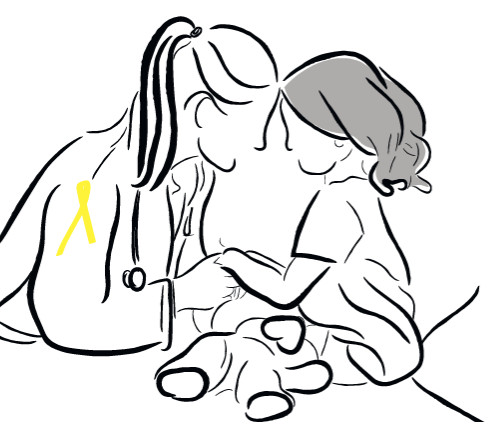
The National Children’s Cancer Service (NCCS) provides care and treatment to all children in Ireland diagnosed with cancer up to 16 years of age. Based in Children’s Health Ireland (CHI) Crumlin, it is the primary hub for referral, diagnosis and planning of treatment. The service is supported by a network of sixteen regional shared care hospitals across the country. The shared care centres provide invaluable support to children who live outside of Dublin as they can access their care closer to home. The shared care centres are in close communication with the primary consultant and team, and provide supportive care, blood tests, investigations and in some cases, systemic anticancer therapy (SACT) to NCCS patients.
CHI and the NCCS will soon be moving to the National Children’s Hospital Ireland (NCHI), a state-of-the art digital hospital, which integrates the three paediatric hospitals in Ireland into the one organisation. NCHI has been designed to support innovation, education and excellence in paediatric healthcare. Along with a child-friendly, more modern space for patients to receive their care, NCHI will provide increased numbers of patient beds, electronic healthcare records and prescribing, and increased staffing of multidisciplinary team (MDT) members.
Multi-disciplinary team collaboration is central to paediatric cancer care. Alongside the medical and nursing team, there is a wide range of healthcare professionals involved in each patient’s journey. This includes pharmacists, physiotherapists, play therapists, dieticians, speech and language therapists, social workers, and psychologists. This integrated healthcare approach ensures that all aspects of a child’s health and wellbeing are addressed and cared for.
Paediatric haematology-oncology is the medical speciality which diagnoses and treats cancer in infants, children and adolescents.
Haematology focuses on diseases of the blood, bone marrow, and lymphatic system, while oncology addresses solid tumours that arise in organs or tissues.
Although less common than adult cancer, childhood cancer remains a leading cause of death in children. In Ireland, approximately 369 children and young people (aged 0–24 years) are diagnosed with cancer annually. The three most common paediatric cancers, which together account for nearly 66 per cent of cases, are:
Other paediatric cancers include soft tissue and bone malignancies such as rhabdomyosarcoma, osteosarcoma and Ewing’s sarcoma, together with neuroblastoma (nerve), Wilms’ tumour (renal) and retinoblastoma (eye).
Unlike in adults, childhood cancers are rarely caused by environmental and lifestyle factors. Genetic mutations seen in paediatric oncology are often congenital or inherited. As a result, paediatric patients have fewer genetic mutations and therefore present with different cancers to adults. This makes treatment more challenging but has also driven the development and use of newer targeted therapies.Survival rates for Irish children with cancer are higher than adults, with over 80 per cent surviving for at least five years after diagnosis. As survival rates improve, there is a growing focus on developing safer and more targeted treatments for children. Paediatric haematology-oncology aims not only to treat cancer effectively but also to minimise long-term side effects and support the child’s future growth and quality of life. Treatments such as radiotherapy are used more cautiously, surgery sparing treatments are preferred whenever possible, and measures are taken to preserve fertility and minimise toxicity from cumulative chemotherapy doses. Efforts are also made to design or adjust treatment plans to help children maintain as normal a life as possible, including attending school and meeting their peers during therapy.
Diagnosing childhood cancer is often challenging due to vague, non-specific symptoms which can resemble common childhood illnesses. Early recognition and prompt referral can improve survival rates.
“Diagnosing childhood cancer is often challenging due to vague, non-specific symptoms which can resemble common childhood illnesses. Early recognition and prompt referral can improve survival rates.”
Paediatric cancer services differ from adult services in a number of important ways.
Research limitations: Cancer is rarer in children than in adults and this presents several challenges to the paediatric service. With a lower incidence of cancer, it is more difficult to carry out research in paediatrics. There are, therefore, fewer large clinical trials, and less data to guide future treatments. This in turn reduces incentive for large pharmaceutical companies to seek licensing and make appropriate formulations for paediatric indications.
Funding and access: Despite the severity of childhood cancers, and efforts to raise national awareness, some treatment options are not as easily accessible for children as they are for adults.
For this reason, if a clinical trial is available in Ireland, eligible paediatric patients will be encouraged to enrol. Enrolment is also dependent on the patient’s proximity to CHI Crumlin, and whether regular travel to Dublin is feasible for the family. At present, shared care centres are not set up to participate in paediatric cancer clinical trials. This is quite different to adult services where most patients are treated as per established standards of care.
In adults, many of the high-cost anti-cancer drugs are funded by the HSE Oncology Drugs Management System (ODMS). The ODMS allows hospitals to recoup the cost of certain anti-cancer drugs that have been approved by the HSE Drugs group for specific indications. There are very few paediatric indications approved under this scheme, and so consultants must seek alternative routes of funding for these high-cost agents. Alternative funding routes include individual compassionate access requests to the drug manufacturer or through local hospital funding mechanisms. Funding of high cost SACT agents is an ongoing concern in paediatric cancer care.
Sourcing appropriate formulations: Sourcing appropriate formulations of oral anti-cancer drugs in paediatrics also differs from adult cancer care. In adults, there is standard dosing, and drugs are readily available in tablet or capsule form. In paediatrics, dosing is mainly weight-based, and very often children are unable to swallow solid dosage forms. It is a common challenge to find a suitable formulation that is safe and suitable for paediatric patients.
Family centred care: Finally, an important distinction between the two services is the strong emphasis on a family-centred approach, rather than solely patient-centred in adults. A diagnosis of childhood cancer can impact each member of the family in different ways. In paediatric cancer care, the service aims to support not only the child, but also parents and siblings. It will address each family member’s emotional wellbeing and identify the practical and social components of the household that require help. Strong familial support plays an important role in each child’s recovery, and so fostering a resilient family unit is a priority of the paediatric service.
Paediatric cancer clinical pharmacists are key members of the multidisciplinary team. They provide specialist guidance on the safe and effective use of medicines for children with cancer, and their role is expanding as treatments become more complex.
A core responsibility of the pharmacist is the clinical verification of SACT and supportive care regimens. Paediatric SACT dosing is highly precise and calculated based on body surface area or weight. Careful assessment of renal and hepatic function is carried out throughout treatment, along with continuous review of patient tolerability and supportive care needs. Pharmacists promote best evidence-based practice by ensuring prescribed SACT and supportive treatment align with approved paediatric protocols, national guidance, and the latest evidence. They also play a key role in detecting potential drug-drug interactions, contraindications, and toxicity risk before initiation of treatment. The pharmacist also works closely with the aseptic compounding unit to support the safe preparation and handling of cytotoxic medicines by verifying stability, compatibility, and administration requirements.
They assist with the management of treatment-related toxicities and the provision of supportive care. Chemotherapy and other anticancer therapies are frequently associated with a range of side effects, including nausea, vomiting, mucositis, infection risk, and pain. Pharmacists provide expert guidance on the prevention and management of these complications, ensuring that appropriate supportive medicines are prescribed, that the dose is correct, and that they are administered at the right time and frequency. Some chemotherapies carry the risk of organ-specific toxicities, such as cardiotoxicity, nephrotoxicity, or ototoxicity. In such cases, pharmacists assist in sourcing protective or preventative medicines and suggest dose adjustments when indicated.
In paediatric cancer care, pharmacists are deeply involved in clinical trials and the use of compassionate-access medicines – the controlled use of an unauthorised medicine for individual patients outside a clinical study, enabling access to therapies that are still being developed. They handle the procurement and record-keeping of these medicines, provide guidance to healthcare staff and families on administration, and ensure adherence to trial protocols and regulatory requirements.
Another key aspect of the clinical pharmacist role is education and counselling. Pharmacists provide tailored advice to families and carers on how to administer oral SACT and supportive medicines safely at home. They counsel on adherence, potential side effects, safe handling and storage, and when to seek medical attention. This education is critical in empowering families and ensuring treatment continues safely beyond the hospital, and it is associated with enhanced patient satisfaction, improved knowledge, and better adherence and disease outcomes.
Close collaboration with community pharmacists is a key aspect of the cancer clinical pharmacist’s role.
With monthly dispensing of supportive care medicines, alongside medication counselling and monitoring of adherence, community pharmacists quickly become a consistent point of contact for families throughout their treatment journey. This ongoing relationship positions community pharmacists as an important component of longitudinal care for children receiving cancer therapy.
There are many possible challenges associated with a paediatric haematology/oncology prescription. These include limited paediatric dosing information, off-label use of medicines, manipulation of dosage formulations, or the requirement for unlicensed medicines. The clinical cancer pharmacist will liaise with the community pharmacist regarding these challenges to ensure seamless transition for families from the hospital to the home environment.
Paediatric haematology-oncology is a highly specialised service that relies on coordinated multidisciplinary collaboration. Open and supportive communication between hospital and community pharmacists remains a key strength of the NCCS, contributing to safe supply of medicines, and minimisation of medication-related errors in this high-risk population.
As the service evolves with the transition to NCHI, sustained partnership between hospital and community pharmacy services remains essential to maintain safe, effective and patient-centred care.
References available on request.
IPU Review March 2026: Part 2 of this series will cover paediatric cancer treatments, oral chemotherapy and key challenges for pharmacists.
Muireann Kavanagh MPSI and Anna Dalfino MPSI MSc Clinical Pharmacy, Pharmacy Department, CHI Crumlin
Highlighted Articles