



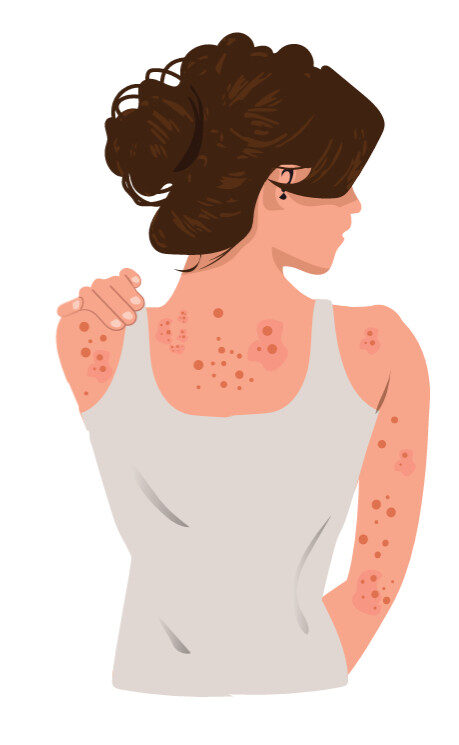
Hidradenitis Suppurativa (HS) is a chronic, debilitating, inflammatory skin disease characterised by recurrent boil like lesions, nodules, pustules, scarring and wounds that form almost anywhere on the skin, but particularly in the axillae, inguinal folds, perianal area, buttocks and genital regions. These lesions are painful, tender, unsightly and frequently exude purulent discharge.
The prevalence rate is estimated at around 1 per cent, with the prevalence rate reported globally ranging from .01 per cent to 4 per cent of the general population.
Without timely treatment, HS symptoms can progressively worsen, causing tunnelling, painful, deep and prolonged breakouts of abscesses and lesions, that recur.
Once the condition has become established, it is difficult to bring it under long-term control, yet the diagnostic delay is between seven and ten years, resulting in multiple misdiagnoses, delayed treatment and disease progression, having a profoundly negative impact on the patient.
It is very likely that HS patients are attending pharmacies seeking care for their symptoms. This article aims to alert pharmacists to the condition, wherein HS may be noticed and identified.
HS patients receive frequent misdiagnosis and in turn inappropriate treatment options. Most common misdiagnosis include:
Although HS symptoms often resemble an infection — redness, swelling, odour, exudate, and pain — HS is an inflammatory disease and typically contains non-pathogenic bacteria. Secondary infections can occur.
Many patients are often told HS is caused by poor hygiene, resulting in self-blame and mistrust in healthcare professionals.
Although there are no definitive tests to diagnose HS, there are clear clinical clues and diagnostic criteria, that make HS easy to identify.
A questionnaire developed by researchers and dermatologists can help, such as, ‘Have you had outbreaks of boils during the last six months?’ and, if yes, ‘How many and which locations?’ Please note, patients often refer to the lesions as boils, or boil like lesions.
If two or more outbreaks in the commonly affected areas have occurred in the past six months, HS should be considered as a likely diagnosis.
Other clinical signs are:
In the pharmacy settings patients may be seeking:
HS will present differently depending on the patient, and how advanced the disease is. The most commonly used tool to measure the severity of HS is ‘The Hurley Staging System’, see Table 1.
Table 1: The Hurley Staging System
| Hurley Stage I (mild cases) presents a single or multiple isolated lesions with no sinus tract formation. These typically start as firm, pea-sized nodules, that can develop into painful pustules and abscesses. | 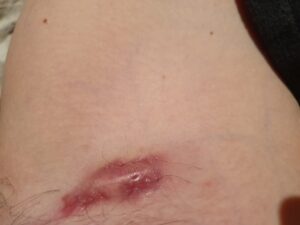 |
| Hurley Stage II (moderate cases) presents multiple recurring lesions in multiple areas, with sinus tract formation and scarring. |
 |
| Hurley Stage III (severe cases) presents widespread lesions with multiple interconnected sinus tracts, with little or no healthy skin between lesions | 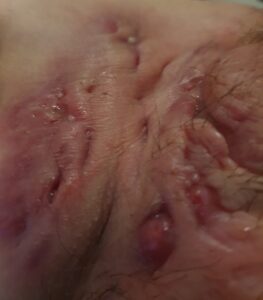 |
The opportunity to recognise and diagnose HS in the pharmacy setting may help patients access required treatments sooner, prevent disease progression and improve patient outcomes.
The cause of HS is unknown, however it is an inflammatory disease, linked to a dysfunction in the skin’s immune system. The following is known:
While there is no definitive cure for HS at the moment, there are several treatment options available that aim to reduce the severity and frequency of symptoms.
HS should be treated by a dermatologist as many treatments are off label use or require High-Tech prescriptions.
Treatments include:
HS patients require daily dressings on average for six months in a year. Wound care is a considerable burden to patients and is a key part of the daily management of HS.
Due to the location of HS lesions, patients often struggle to appropriately cover these lesions and contain exudate.
Recommendations for effective wound care:
Lifestyle factors
Obesity has been identified as a risk factor in HS, and many patients (but not all) are overweight. Controlled weight loss can help alleviate symptoms and contribute to overall wellbeing.
Smoking is another risk factor associated with disease severity. Smoking cessation is advised.
Rates of substance abuse are higher in the HS patient population when compared to the general population.
Mental health and support
HS can have a profoundly negative impact on the patient’s quality of life and impact mental health. Patients can withdraw from everyday life, work and socialising, becoming isolated. Higher rates of anxiety, depression and completed suicides are prevalent among the HS patient population. HS patients may seek help relating to their mental health from their community pharmacist.
There are several support groups online, notably in Ireland (including HS Ireland available at hsireland.ie), where patients can access information and support about their condition.
The Irish Skin Foundation also operates the ‘Ask a Nurse’ helpline, providing personal advice either by email or phone, see irishskin.ie > Support & Info > Ask Our Nurse.
How can community pharmacists help?
Early intervention is key. Pharmacists are often the first port of call for patients and can help in the following ways:
Conclusion
In conclusion, HS is debilitating disease that requires ongoing management, support and supervision from a multidisciplinary team, including pharmacists. Delayed diagnosis leads to prolonged distress and mismanagement, and potentially the progression of the disease. HS is not a rare disease. With a prevalence similar to psoriasis, increased awareness and diagnosis of HS in the pharmacy setting may result in better treatment outcomes and improved quality of life.
For more information on treatment, management and wound care, please visit hsireland.com irishskin.ie.
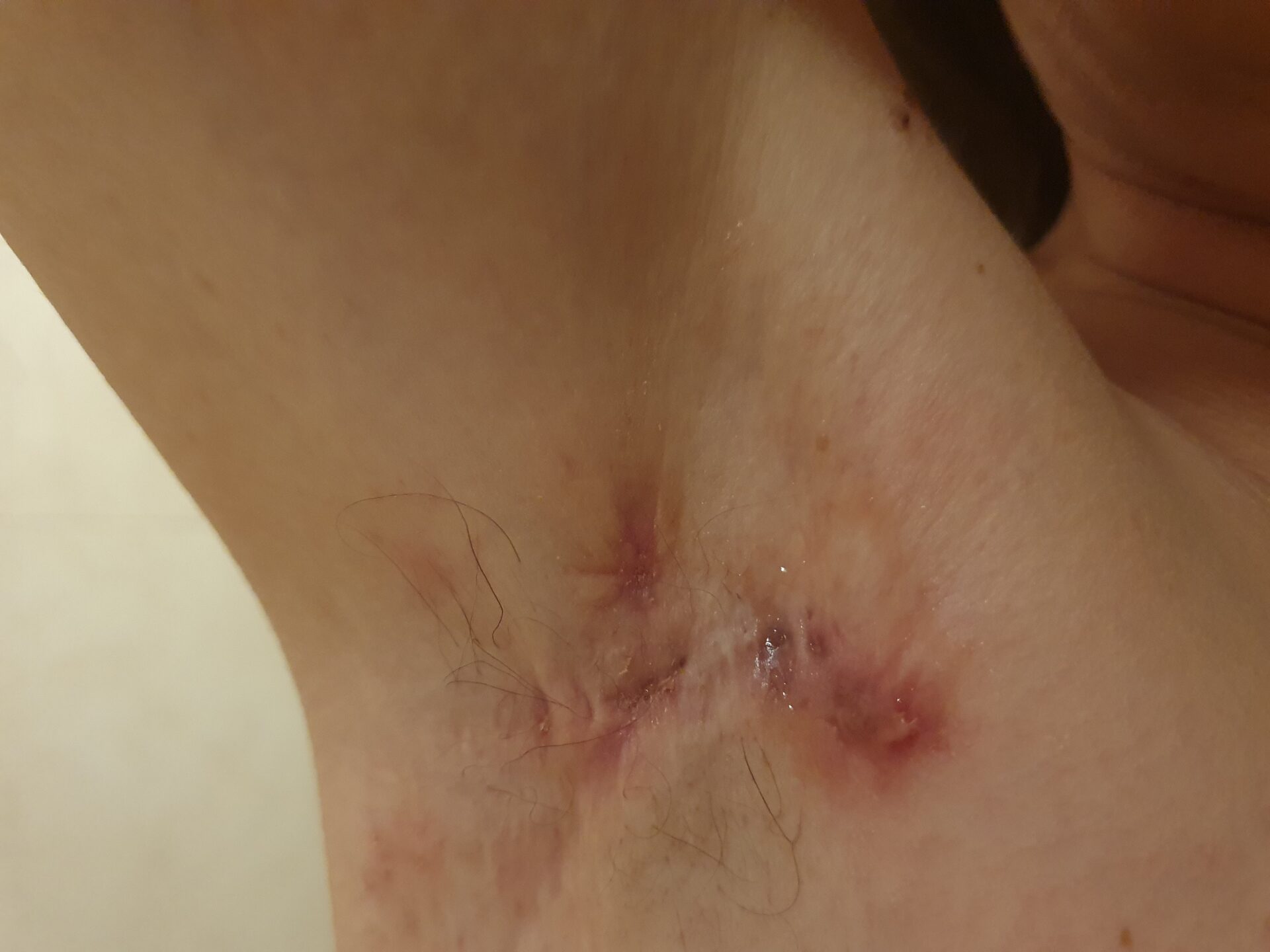
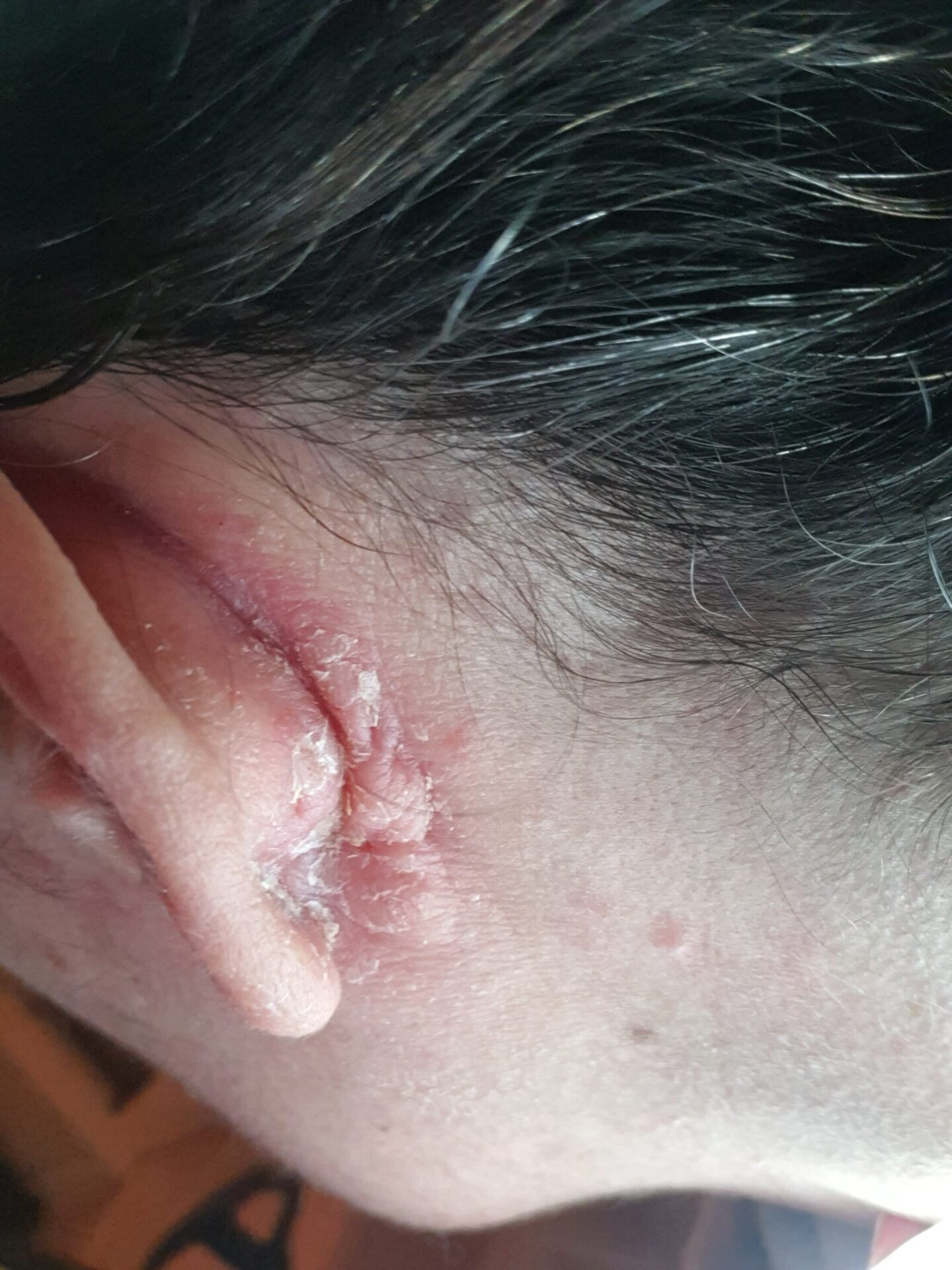
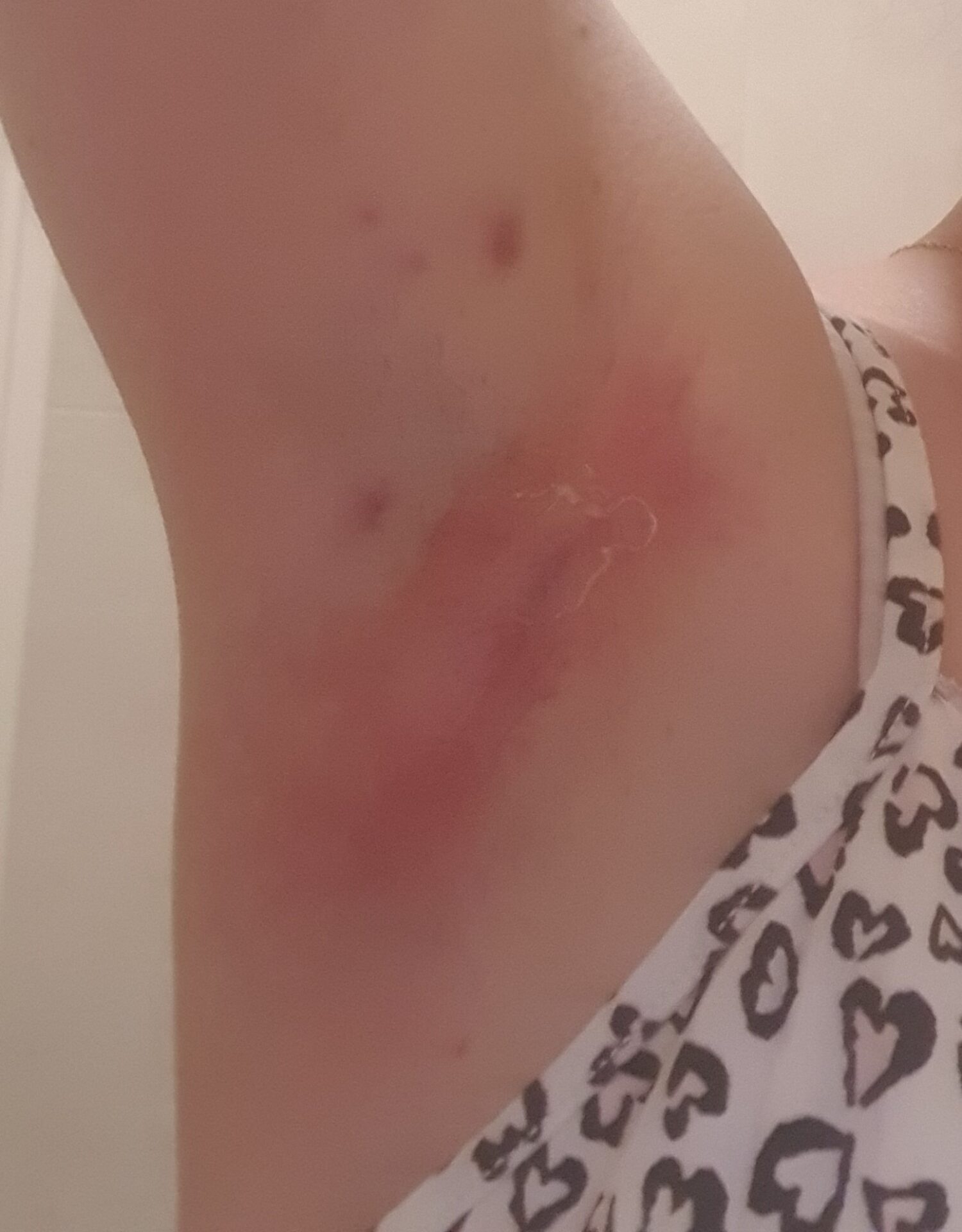
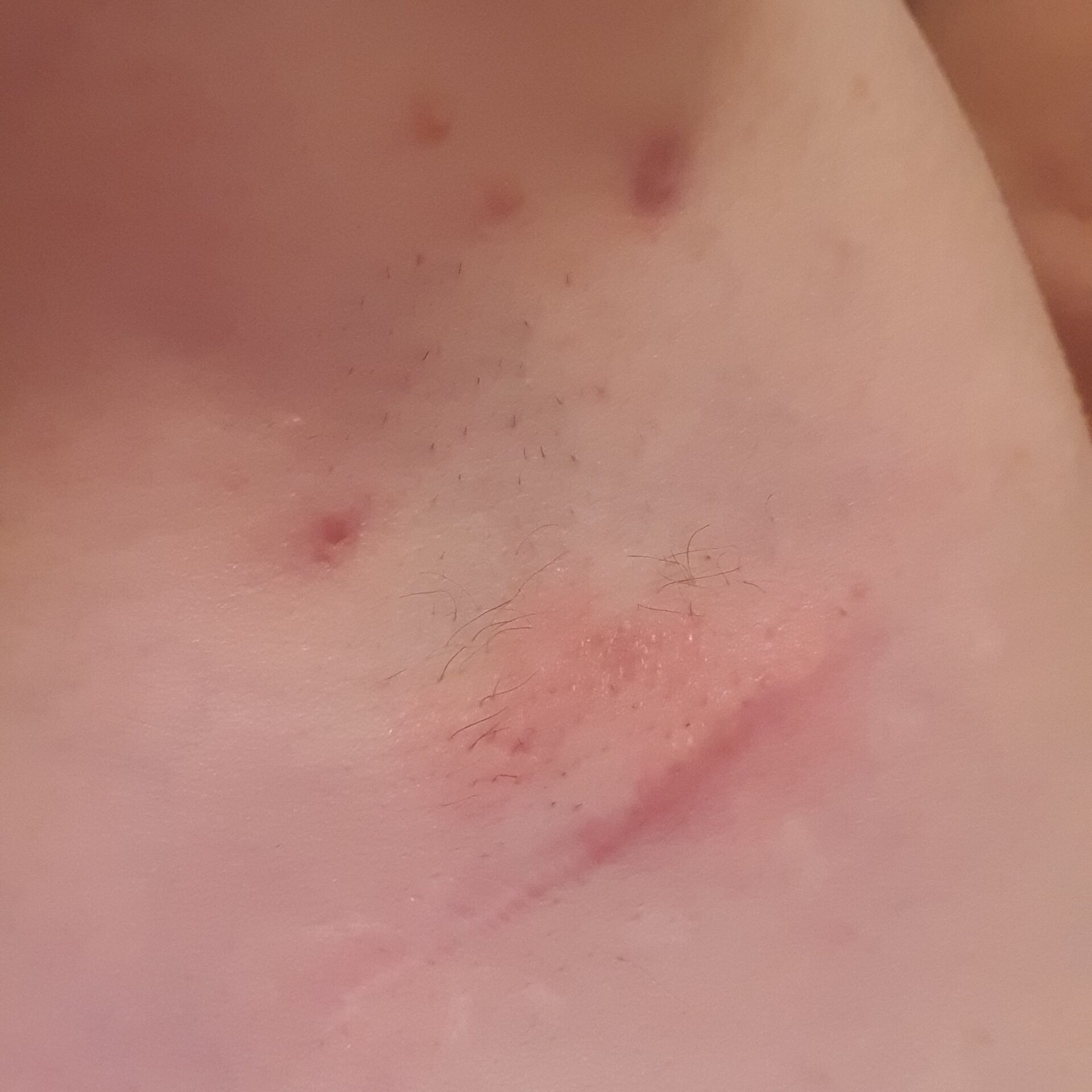
Table 2: HS examples
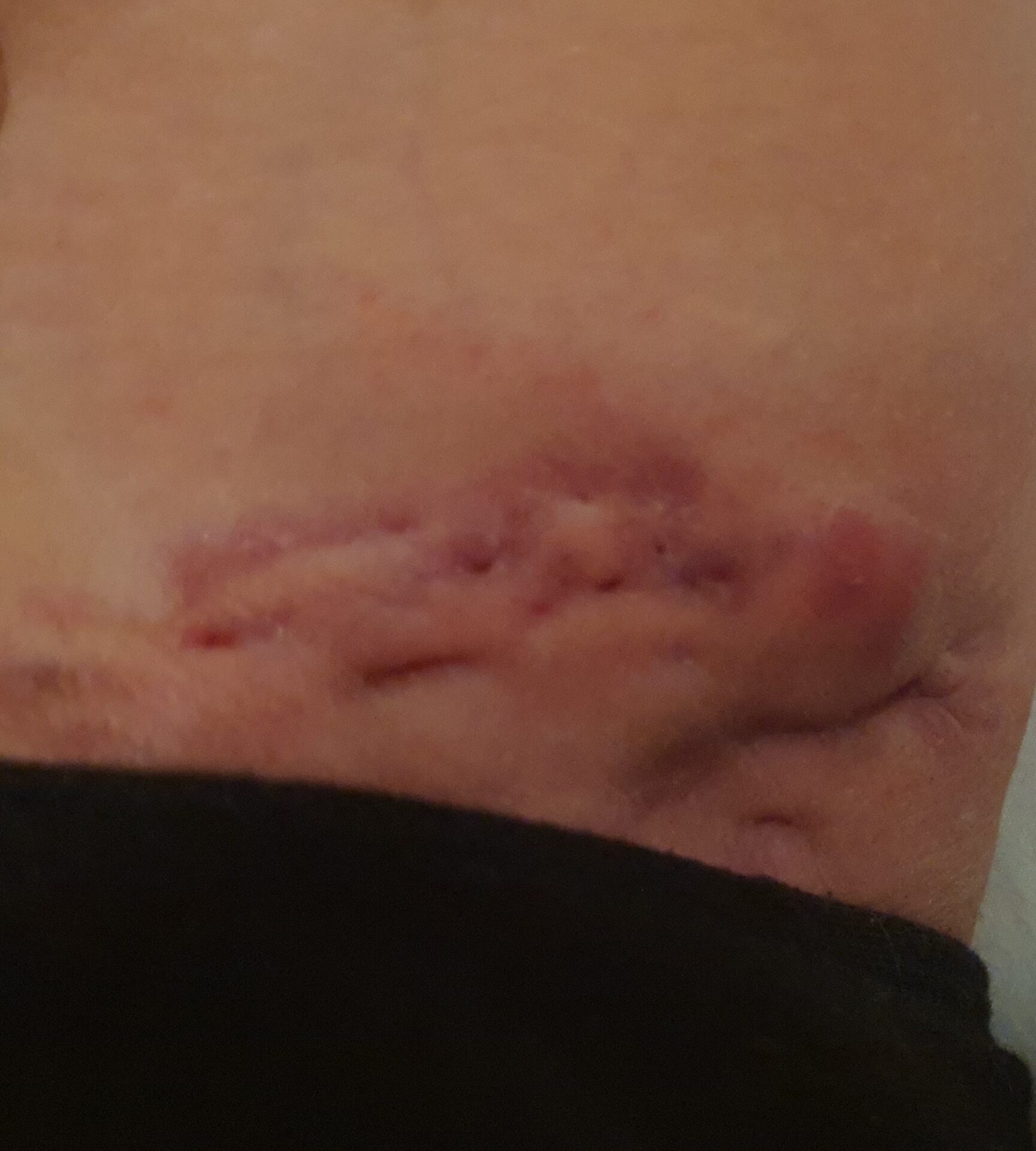

References available on request.
Suzanne Moloney is an HS patient and advocate, and founder of HidraWear. HidraWear is an Irish, patient focused, evidence-based, wearable wound care system that provides effective, comfortable management of Hidradenitis Suppurativa lesions, supporting better outcomes and quality of life for patients.