




The COP11 conference brought together 160 Parties, alongside observers from non-governmental organisations, youth representatives, and other stakeholders, to discuss global measures for tobacco control under the WHO FCTC — one of the most widely embraced United Nations treaties in history. COP11 provided a critical platform for reviewing progress, sharing innovative approaches, and addressing challenges in ending the global tobacco epidemic.
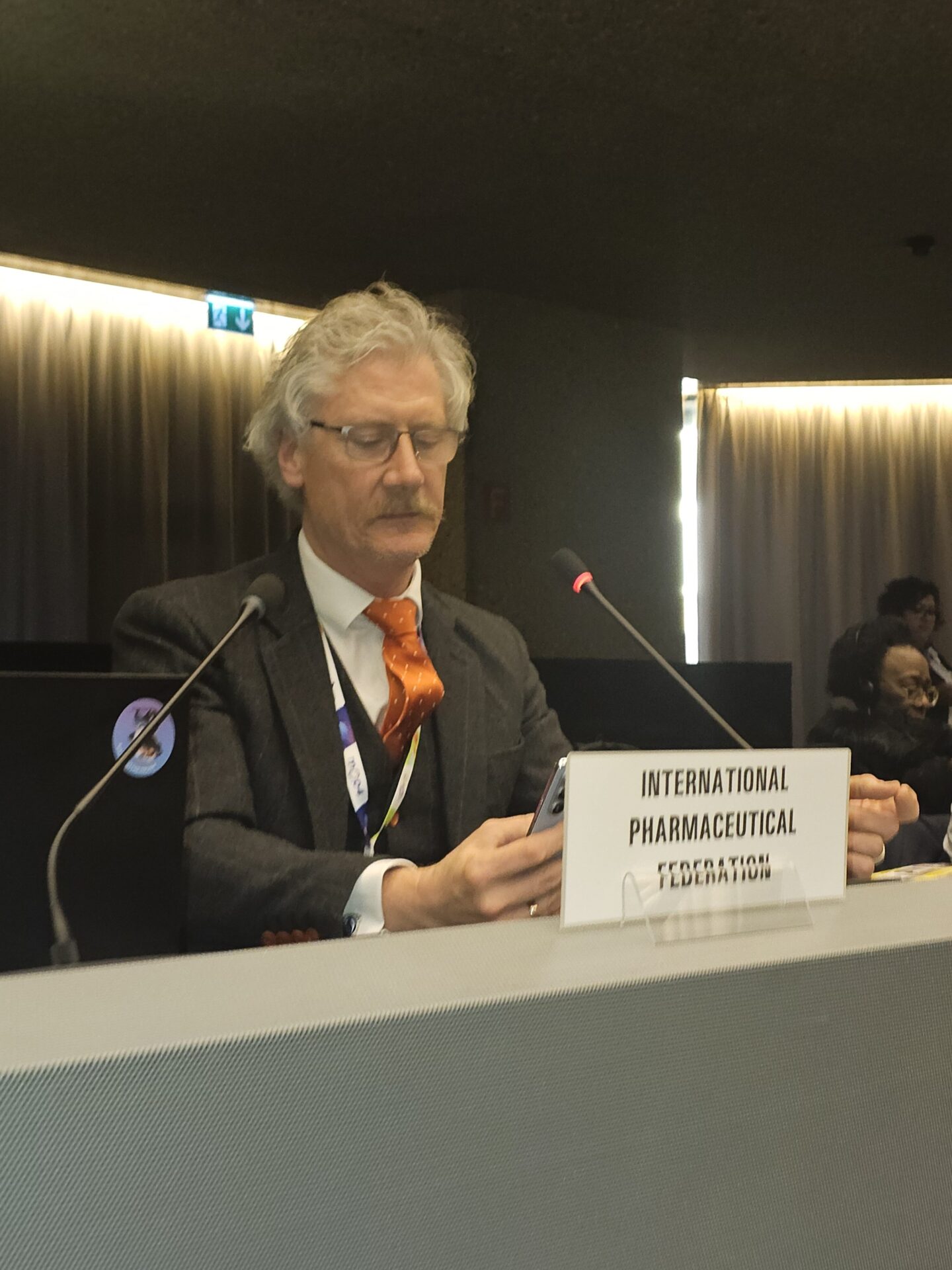
The International Pharmaceutical Federation (FIP), of which the IPU is a member, was represented at COP11 by Daragh Connolly, Chair of the FIP Board of Pharmaceutical Practice. Mr Connolly delivered a statement emphasising the essential role pharmacists play in tobacco and nicotine control, and the broader contribution of the pharmacy workforce to public health. FIP’s participation marked the organisation as the sole representative of healthcare professionals making a formal statement for the record at the meeting.
FIP has been a long-term supporter of the implementation of the WHO Framework Convention on Tobacco Control (WHO FCTC) and holds the status of Observer to the Conference of the Parties. This status was renewed in February 2023 following a successful application, reflecting FIP’s sustained commitment to global tobacco control. FIP has attended regular meetings of the FCTC and actively contributes to policy discussions.
In January 2023, FIP joined the WHO Tobacco Cessation Consortium, a coalition of stakeholders led by WHO, including, pharmaceutical companies (Johnson & Johnson, Apotex, GSK, Cipla, Haleon, Pfizer, IFPMA, GSCF), technology and IT companies (Google, Meta, app developers, Praekelt.org), universities, and healthcare professional organisations (FIP, FDI, World Heart Federation, among others). This engagement ensures that pharmacists are represented in strategic discussions on tobacco cessation at global level.
FIP has a strong track record in advancing pharmacists’ involvement in tobacco cessation, including:
FIP provides a range of practical tools designed to equip pharmacists with the knowledge and skills needed to deliver effective tobacco cessation support. See ncd.fip.org/tobacco for more information.
During COP11, Mr Connolly highlighted the unique and critical role of pharmacists in supporting individuals to stop using tobacco and nicotine, saying;
“Pharmacists play a unique and critical role in supporting individuals to stop using tobacco and nicotine. Our accessibility, proximity to communities, and clinical expertise allow us to identify and engage individuals at the point of care, offering tailored support for cessation. Pharmacists do more than dispense medication. We proactively ask about tobacco and nicotine use, assess readiness to quit, and provide structured cessation programmes with monitoring and follow-up. These interactions are not only opportunities to motivate and support individuals but also to ensure that any necessary adjustments to medications are made safely.
“Through personalised counselling and direct engagement, pharmacists help people set achievable goals, provide ongoing support, and prevent relapse. Evidence from healthcare systems that integrate pharmacists into cessation programmes shows higher success rates in quitting. FIP supports pharmacists with practical resources, including the Brief Interventions for Tobacco Cessation Toolkit (2024) and complementary guides, to ensure they are equipped with the knowledge and skills to make a real difference. By empowering pharmacists, we bring cessation services closer to the people who need them, improving health outcomes and reducing the burden of tobacco-related disease worldwide.”
This intervention reinforced FIP’s commitment to equipping pharmacists with the knowledge, tools, and skills necessary to address tobacco use effectively, while advocating for their inclusion in global health policy discussions.
Key decisions were reached on tobacco control and the environment; increasing sustainable resources for tobacco control; forward looking tobacco control measures; and issues relating to the liability of the tobacco industry for the damage it causes. “These important decisions made by Parties to the Convention will contribute towards saving millions of lives in the years to come and protecting the planet from the environmental harms of tobacco,” said Andrew Black, Acting Head of the Secretariat of the WHO FCTC.
The conference reached several important decisions that will shape global tobacco control, including:
COP11 discussions highlighted the ongoing challenges posed by misleading “harm reduction” narratives promoted by the tobacco industry, including the targeted marketing of e-cigarettes to young people.
FIP references its Holding statement on the use of electronic cigarettes (2023), which addresses the health and economic impact of e-cigarette use and highlights the contribution of the pharmacy workforce to their elimination. The statement, developed in consultation with WHO, provides guidance for pharmacists to protect public health and engage proactively in preventing nicotine addiction.
As emphasised by Mr Connolly, pharmacists are frontline health professionals who:
Survey data from FIP demonstrates that integrating pharmacists into cessation programmes results in higher success rates, underscoring the value of the profession in public health interventions.
FIP’s engagement at COP11 underscores the importance of pharmacist involvement in global tobacco control and highlights their unique position to influence policy and support individuals in cessation efforts.
Looking ahead, the Twelfth session of the Conference of the Parties (COP12) and the Fifth Session of the Meeting of Parties to the Protocol to Eliminate Illicit Trade in Tobacco Products will take place in Yerevan, Armenia, in 2027.
FIP will continue to advocate for pharmacists’ contributions and support their role in promoting health, preventing disease, and protecting populations from the harms of tobacco and nicotine use.