


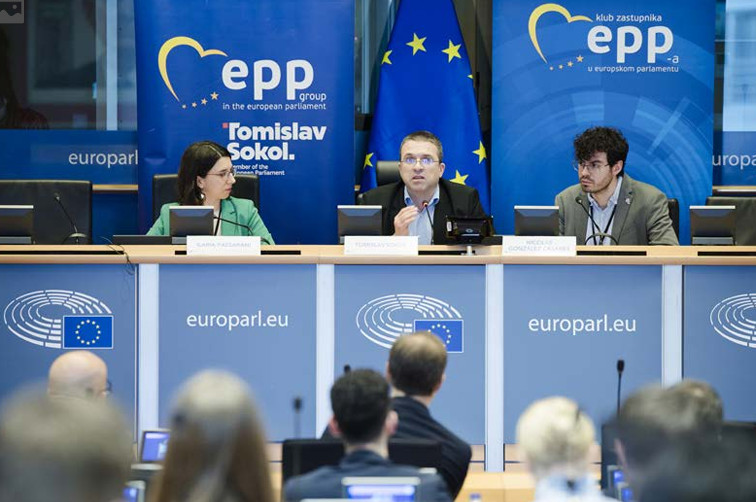
A central feature of the event was the presentation of the PGEU Medicine Shortages Report 2025, which provides an overview of the scale and impact of shortages from the perspective of community pharmacy organisations across Europe.
The report confirms that medicine shortages remain widespread and persistent. According to the findings, 96 per cent of responding countries continue to report shortages, with over 600 medicines currently in shortage in more than one third of countries surveyed. Shortages increasingly affect essential therapies including antibiotics, cardiovascular medicines, oncology treatments, insulins and medicines for the nervous system.
The impact on patients is significant. All responding EU Member States report patient distress and inconvenience, while almost nine in ten countries report treatment interruptions linked to shortages.
Community pharmacies across Europe are increasingly required to manage the practical consequences of these disruptions.
As highlighted in the PGEU press release, “community pharmacies are increasingly acting as shock absorbers within fragile supply chains”.
Pharmacists frequently need to identify alternative medicines, contact prescribers, counsel patients and manage administrative requirements in order to ensure continuity of care.
The time involved is considerable. On average, community pharmacies across Europe now spend around 12 hours per week managing medicine shortages, more than double the time reported five years ago.
Speaking at the launch of the report, PGEU President Mikołaj Konstanty highlighted the systemic nature of the issue, saying; “Medicine shortages have stabilised, but at an unacceptably high level. They are no longer isolated incidents; they are a chronic strain on patients, pharmacists and healthcare systems.”
“ All responding EU Member States report patient distress and inconvenience, while almost nine in ten countries report treatment interruptions linked to shortages.”
The event also included panel discussions examining both the frontline impact of shortages and the broader policy and supply chain challenges involved in ensuring medicine availability across Europe.
One panel focused on the role of pharmacists on the front-line in addressing shortages. Contributions included perspectives from Vanessa Bennett, Senior Shortages Specialist at the European Medicines Agency (EMA), who discussed the regulatory and monitoring role of the EMA in coordinating responses to medicine shortages across EU Member States. The discussion also included contributions from Manuel Ibarra Lorente of the Spanish Agency of Medicines and Medical Devices (AEMPS) and Koen Straetmans, President of the Association of Pharmacists Belgium (APB), reflecting on both regulatory oversight and the practical realities faced by pharmacists managing shortages in daily practice.
A second panel examined how the resilience of Europe’s medicines supply chain can be strengthened. Speakers included representatives from the European Commission (DG SANTE), the European Court of Auditors, Medicines for Europe, and the European Consumer Organisation (BEUC). The discussion highlighted the need for stronger supply chain monitoring, improved transparency, and coordinated European policy measures to address structural vulnerabilities in pharmaceutical supply.