




Barrett’s Oesophagus is a potentially pre-cancerous, inflammatory disease where some of the normal cells in the lining of the oesophagus — connecting the mouth to the stomach — have been replaced with abnormal cells. Although the exact cause of Barrett’s is unknown, it is strongly associated with long-term heartburn or GORD (Gastro-Oesophageal Reflux Disease,) which can damage the oesophagus. However, the real concern is for the small number of Barrett’s patients who may go on to develop oesophageal cancer and ensuring that they are closely monitored.
The Irish Oesophageal Cancer Fund (OCF) estimate that today over 35,000 people in Ireland have Barrett’s Oesophagus but most of them don’t know it. Unknowingly they are living with the condition, possibly ignoring or self-treating their symptoms through antacids, maybe under the illusion that persistent heartburn or reflux is no big deal. An endoscopy can usually diagnose Barrett’s Oesophagus which affects around one in 10 of those with persistent heartburn or GORD.
Around 500 people a year in Ireland are diagnosed with oesophageal cancer which is the sixth-leading cause of cancer mortality worldwide. While less than 5 per cent of Barrett’s patients go on to develop oesophageal cancer, the majority of diseased oesophagus’s show traces of Barrett’s — so, there is a real link. Therefore, awareness is key to increasing the detection of Barrett’s, as well as increasing the 25 per cent five-year survival rate of oesophageal cancer in Ireland.
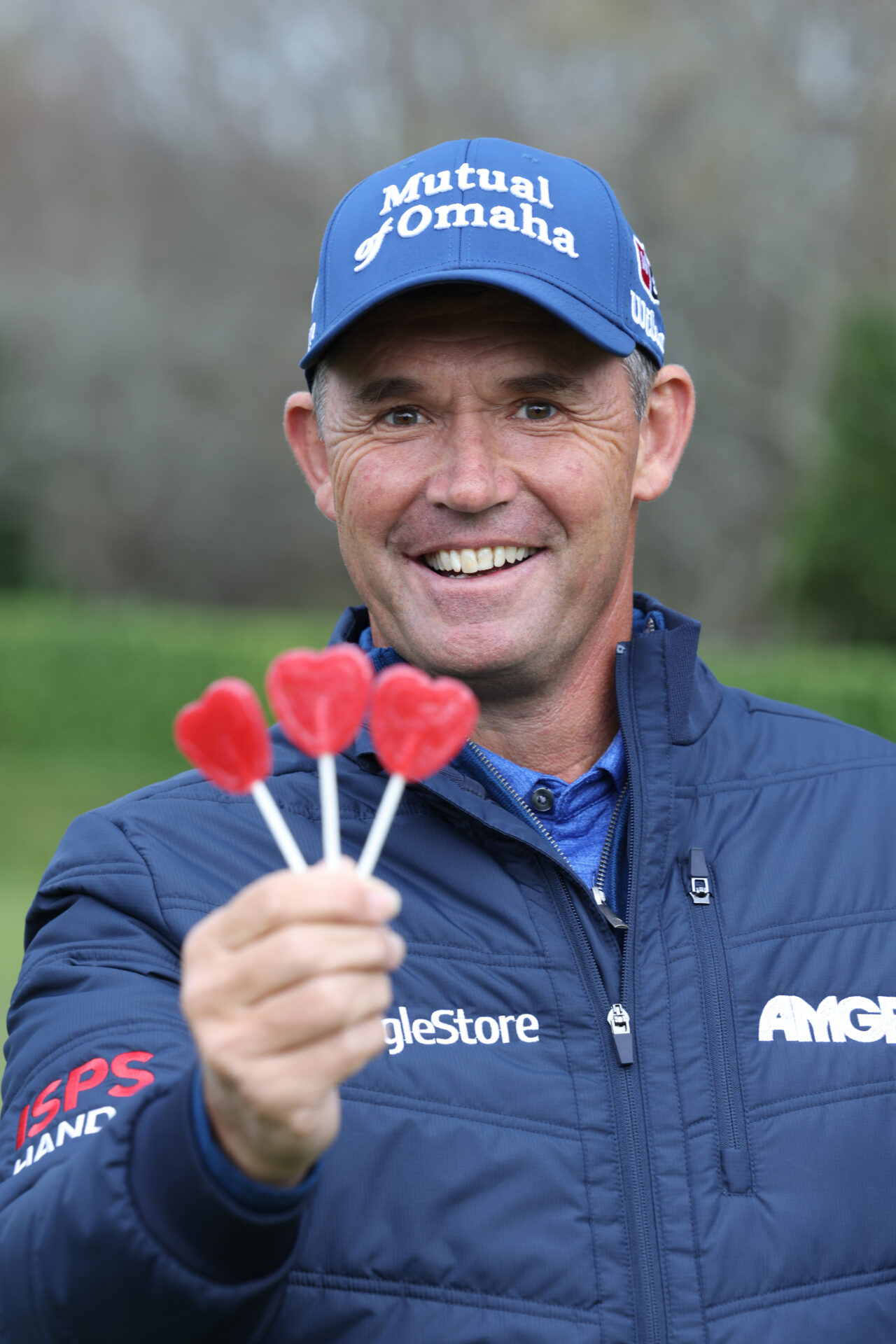
Carmel Doyle and her husband Gerry Martin; Padraig Harrington, Patron, OCF Lollipop Day; Padraig Harrington with volunteers, Emma and Rose.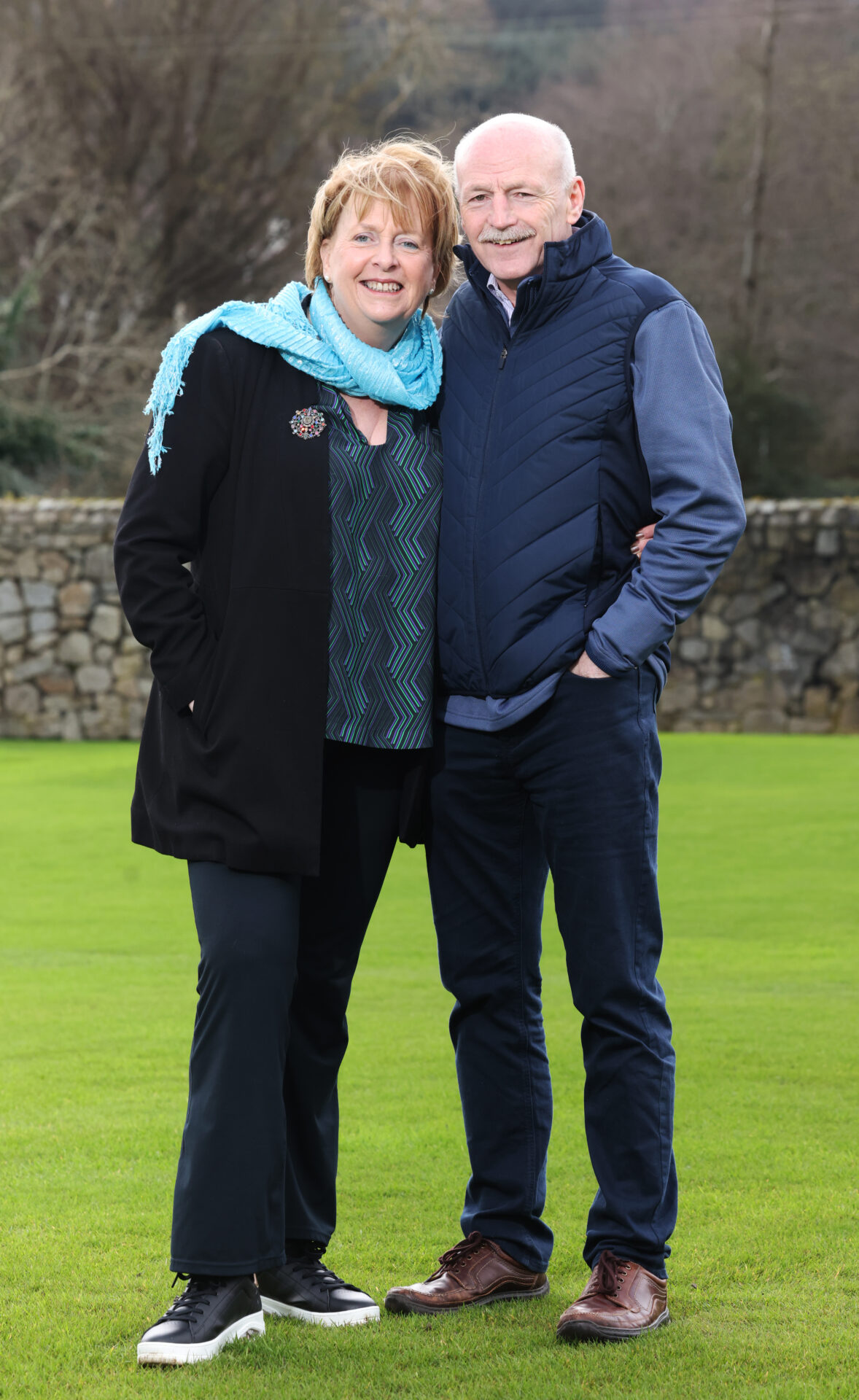

The main symptoms of Barrett’s Oesophagus are:
The following may increase the risk of Barrett’s:
Early detection
The role of Ireland’s local pharmacy teams in encouraging people with persistent heartburn who perhaps treat it with antacids, to visit their GP to get checked, is vitally important. And that is where we need your support and counsel please, in persuading people with possible symptoms of Barrett’s, to get checked out by their GP.
I want to thank the IPU Review for giving me this opportunity to salute and to thank our local pharmacies who can support early detection of Barrett’s and/or oesophageal cancer.
We know that antacids have on-pack warnings but we at the OCF are asking the manufacturers to make those warnings bigger and better, particularly on TV advertising; and asking them to support our Barrett’s research and our awareness drive. Furthermore, with antacids now widely available in supermarkets, the need for increased awareness of the possible link between ongoing persistent heartburn and Barrett’s or oesophageal cancer, must is reinforced.
While having Barrett’s means that cells in the oesophagus have changed and must be monitored regularly, it doesn’t mean that cancer will develop. We would go as far as saying that Barrett’s is an illness that could save your life. Why? Because being diagnosed with it, means that patients are on the medical radar and will be sent for regular endoscopies and any cell changes will be picked up early. I know this first-hand as my husband Gerry’s Barrett’s diagnosis meant that he was monitored closely and that’s how his oesophageal cancer was detected through a regular scope, thankfully.
Proton Pump Inhibitors (PPIs) are prescribed to prevent the stomach from making acid and this is a common treatment for Barrett’s and is very effective in protecting the oesophagus from acid reflux. Patients are usually advised to take acid-suppressing medication and undergo an endoscopy and biopsy at regular intervals to monitor their condition. This ongoing surveillance through biopsy samples aims to detect whether dysplasia has developed and if it is high grade dysplasia. The exact time period between each endoscopy and biopsy sample can vary from case to case.
Barrett’s patients can take the following steps to reduce their risk of oesophageal cancer:
The OCF has funded and established the National Barrett’s Biobank and Registry in Ireland through a long-term collaboration with the Trinty St. James’ Cancer Institute, and more recently with Precision Oncology Ireland. This research saves lives through the proactive surveillance of Barrett’s patients and those at risk of developing oesophageal cancer.
This was largely funded through OCF’s annual Lollipop Day campaign which is spearheaded by legendary golfer and OCF Patron Padraig Harrington whose father Paddy died of oesophageal cancer 20 years ago. Padraig is determined to help us raise awareness of the symptoms of both Barrett’s and oesophageal cancer.
Today over 9,500 Barrett’s patients are being tracked, their disease monitored, and interventions offered, such as radiofrequency ablations to eliminate diseased cells. Such interventions can prevent the progression to oesophageal cancer. Biopsies from consenting patients are a great resource for researchers, leading to improved patient care and treatments. This data, which is shared on an all-island basis, should impact national policy, highlighting the need for a national monitoring programme.
Unfortunately, we know through our OCF community that many people, especially men, wait far too long to go to the doctor with ongoing heartburn.
Thankfully, my husband Gerry’s cancer was caught early, through a routine Barrett’s scope, after a lot of encouragement (nagging) from me to go to the doctor. Now, 14 years post-surgery, he’s enjoying life, still working as an accountant and teaching Taekwondo; and is a proud member of our patient support programme by talking to others who’ve been recently diagnosed and sharing his story.
OCF acknowledges and really values the role of all the local pharmacy teams
As a family, we are forever grateful for the wonderful help and support we got from Niamh and Jason in Doherty’s Pharmacy in Beaumont, Dublin throughout our challenging care journey. Indeed, OCF acknowledges and really values the role of all the local pharmacy teams in administering the practical advice and support, as well as the medicine. Thank you so much for being such an important part of our community of care and we hope you can support Lollipop Day on 27/28 February 2026 and World Barrett’s Day on 16 May 2026.
The Oesophageal Cancer Fund provides support to people diagnosed with Barrett’s Oesophagus and/or oesophageal cancer. The charity funds vital research, builds awareness and runs regional patient support meetings. For more information see ocf.ie.